Neurostimulation
What is neurostimulation therapy for chronic pain?
Neurostimulation is a reversible, cost-effective method of pain relief that had been introduced in 1967 for patients with chronic, intractable pain of the trunk and limbs. It has been widely used since the 1970s. Since its introduction, both patient selection criteria and the devices have been continuously improved
Is a spinal cord stimulator the same as a TENS unit?
First, with TENS, the stimulators remain on the skin, whereas with spinal cord stimulation, the stimulators are implanted within the body. Additionally, spinal cord stimulation operates primarily on the spine, whereas TENS deals more with the nerves and only part of the spine long does a neurostimulator last.
How long does a neurostimulator last?
The battery life of a non-rechargeable neurostimulator depends on the model and individual usage. Rechargeable neurostimulators have expected battery longevity of 9 years. Ask your doctor for more information does a neurostimulator do.
What Is a Neurostimulator?
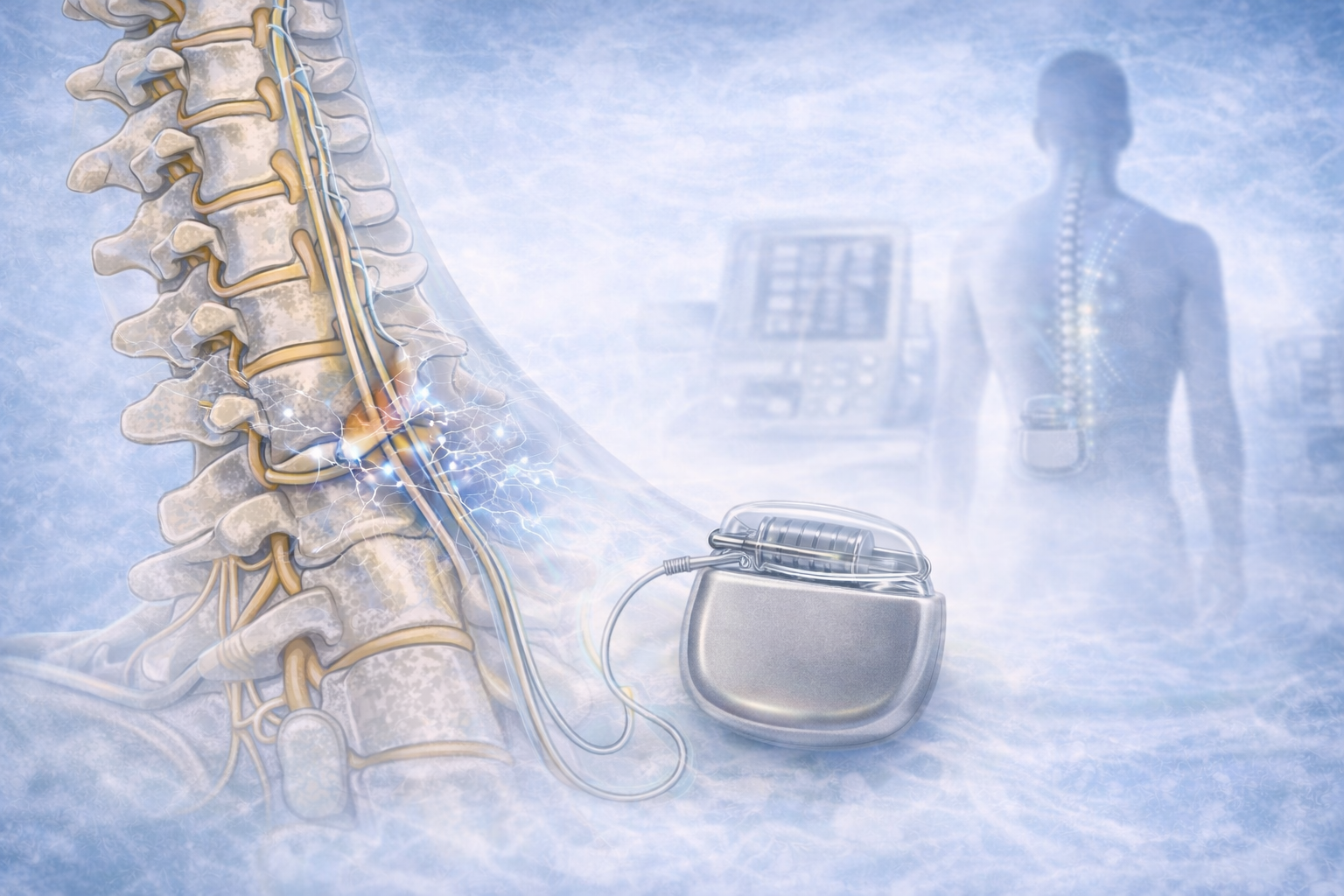
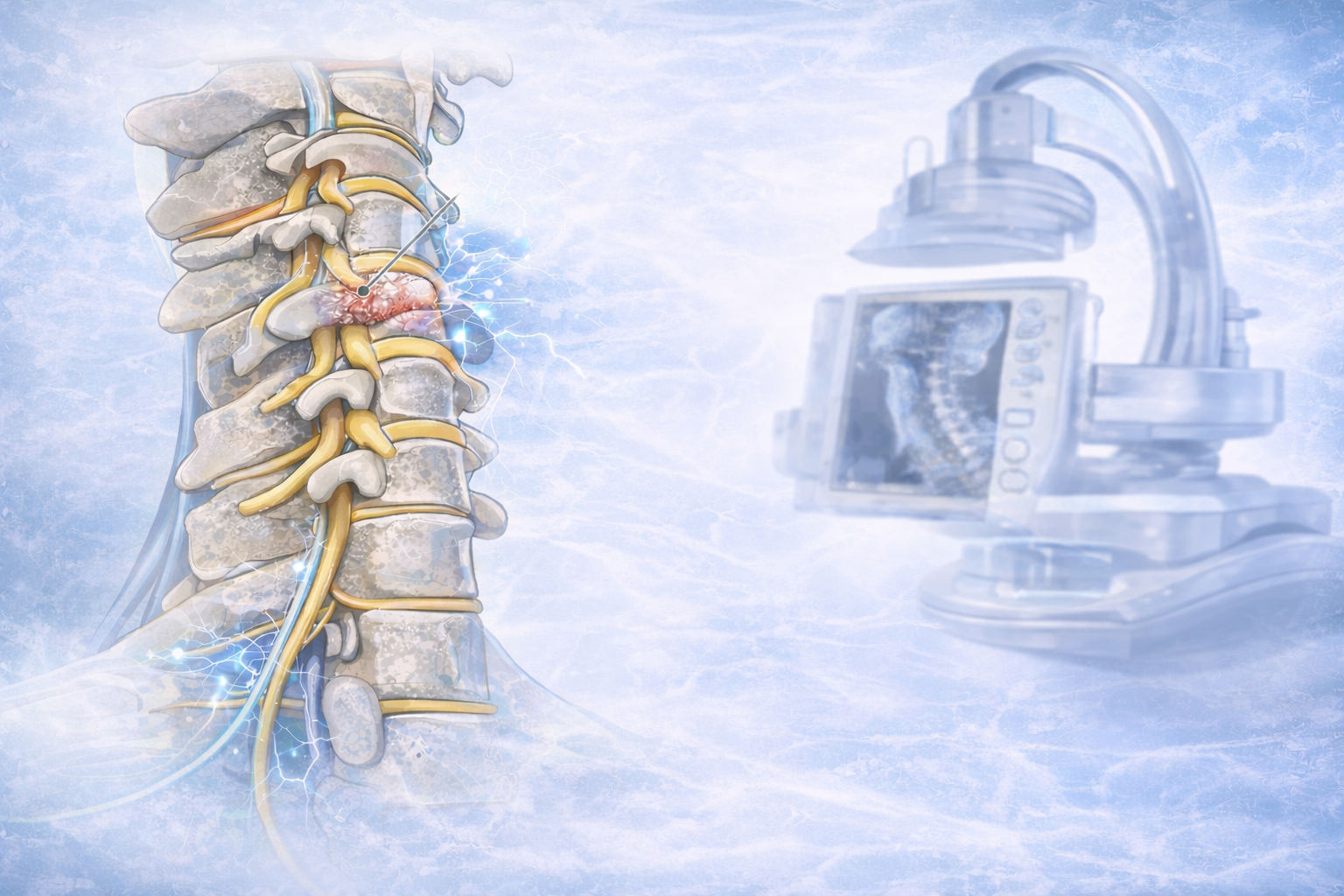
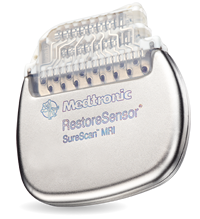
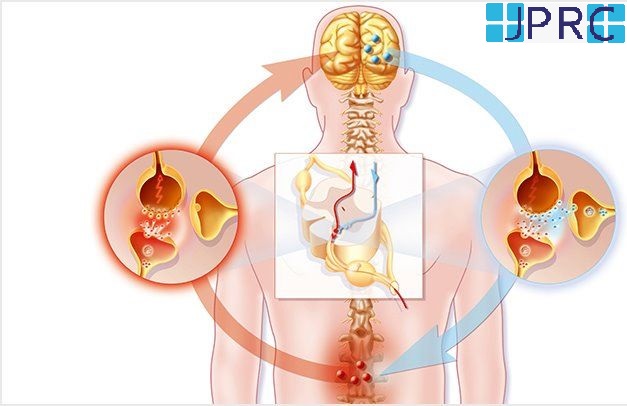
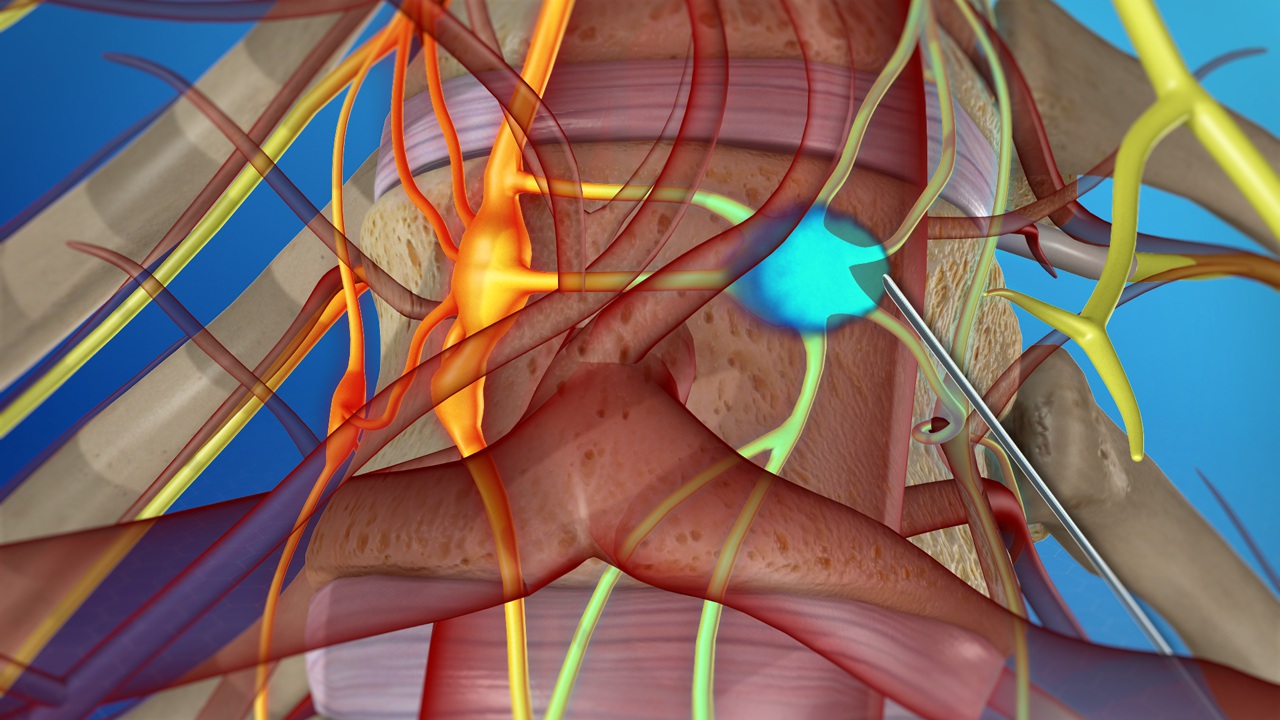
An implantable neurostimulator is a surgically placed device about the size of a stopwatch. It delivers mild electrical signals to the epidural space near your spine through one or more thin wires, called leads
What are neuromuscular techniques?
Neuromuscular massage therapy is a specialized form of manual massage in which digital pressure and friction are used to release areas of strain in a muscle. Neuromuscular massage therapy involves applying alternating levels of concentrated pressure to the trigger point – usually using the fingers, knuckles or elbow. What does neurostimulation mean?
What is neurostimulation techniques?
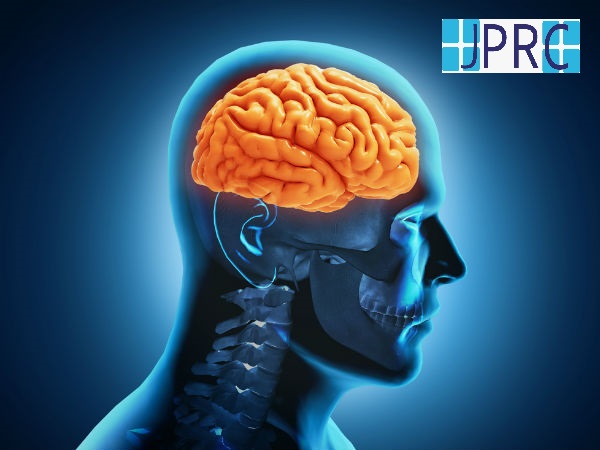
Neurostimulation is the purposeful modulation of the nervous system's activity using invasive (e.g. microelectrodes) or non-invasions (e.g. transcranial magnetic stimulation or transcranial electric stimulation, tES, such as tDCS or transcranial alternating current stimulation, tACS)
Neuromodulation Technique is an informational technique that works by identifying and bringing awareness of the mind-body to incorrect informational states of the nervous system which has led to illness or maladaptive behaviour.
Who is a candidate for a spinal cord stimulator?
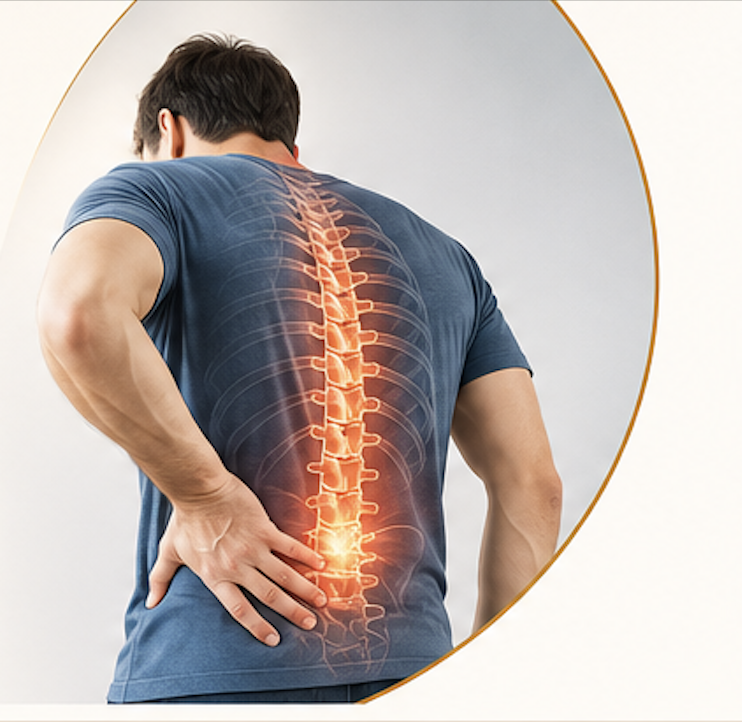
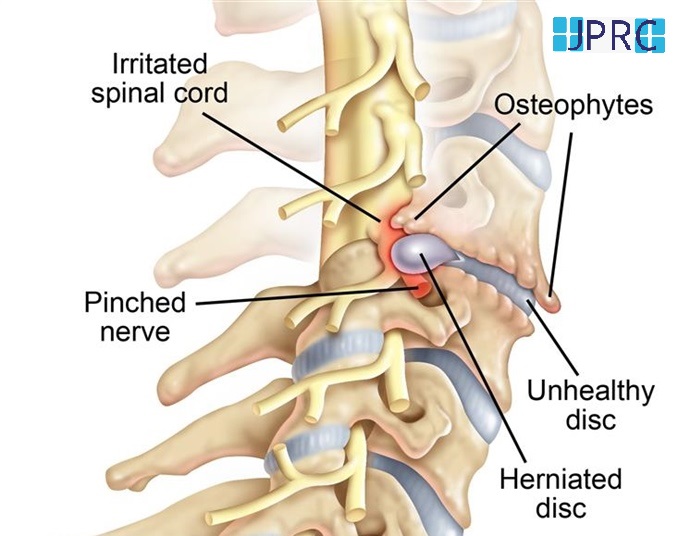
Failed Back Syndrome (FBS) or low back syndrome or failed back. Radicular pain syndrome or radiculopathies resulting in pain secondary to FBS or herniated disk. Postlaminectomy pain. Multiple back operations.
What kind of pain does a spinal cord stimulator help?
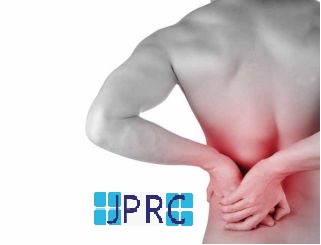
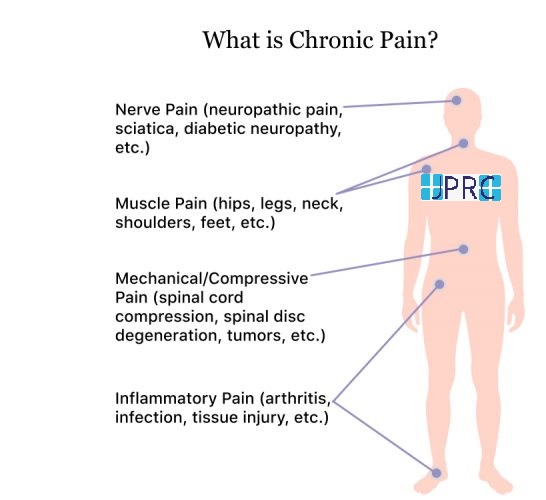
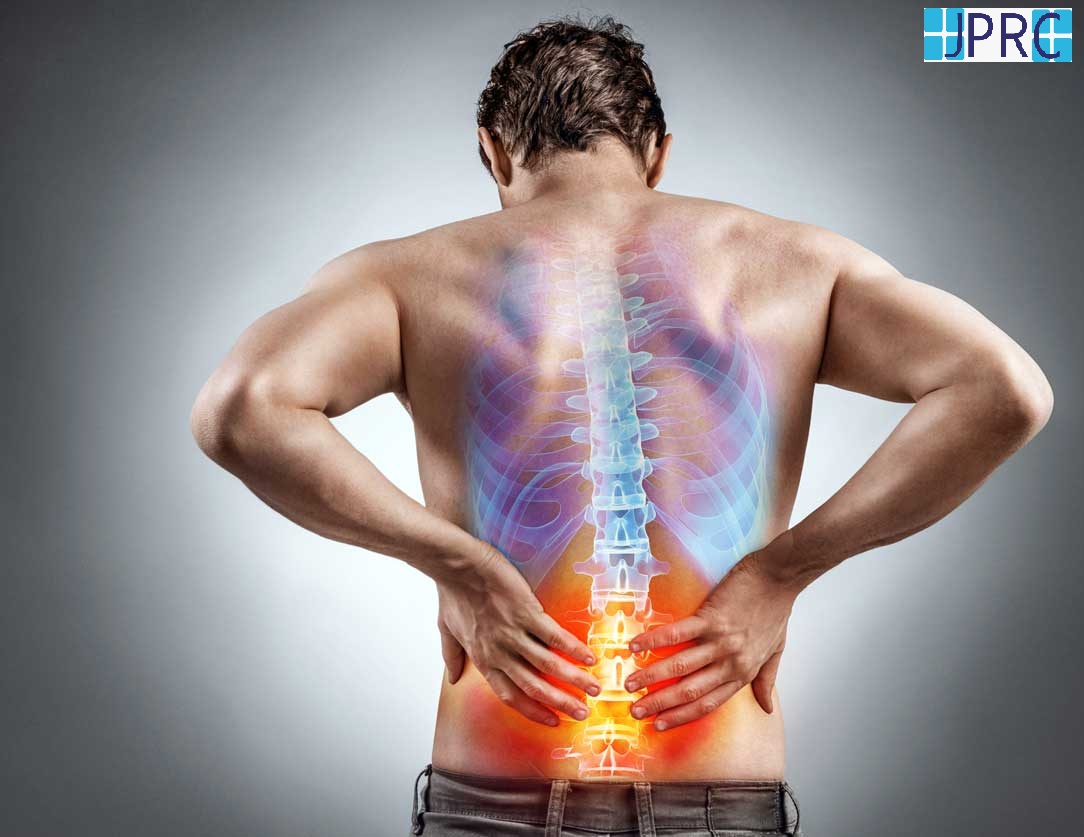
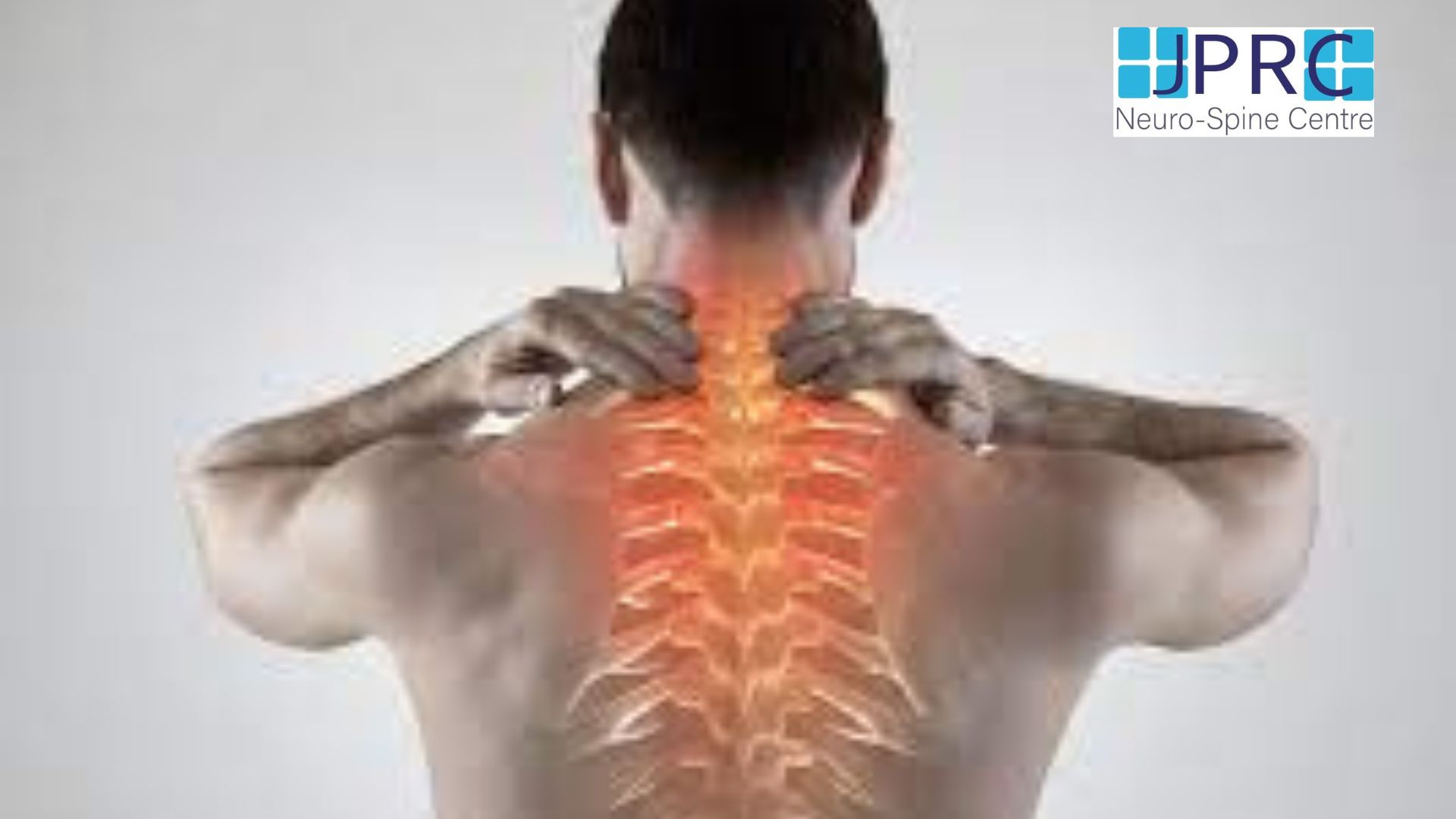
Spinal cord stimulators may be used to treat or manage different types of chronic pain, including Back pain, especially back pain that continues even after surgery (failed back surgery syndrome) Post-surgical pain


































.jpg)









_Injection_Description_in_Hindi.jpg)









.jpg)





.jpg)



.jpg)
.jpg)
.jpg)





.jpg)
.jpg)
.jpg)
.jpg)
.jpg)
.jpg)
.jpg)
.jpg)
.jpg)
.jpg)
.jpg)
.jpg)
.jpg)
.jpg)
.jpg)
.jpg)
.jpg)
.jpg)
.jpg)
.jpg)
.jpg)
.jpg)





1.jpg)
1.jpg)
1.jpg)
1.jpg)
1.jpg)
1.jpg)
1.jpg)







2.jpg)
3.jpg)


4.jpg)
1.jpg)
2.jpg)

5.jpg)
6.jpg)


7.jpg)
2.jpg)

8.jpg)

9.jpg)
3.jpg)

10.jpg)

11.jpg)


12.jpg)
4.jpg)