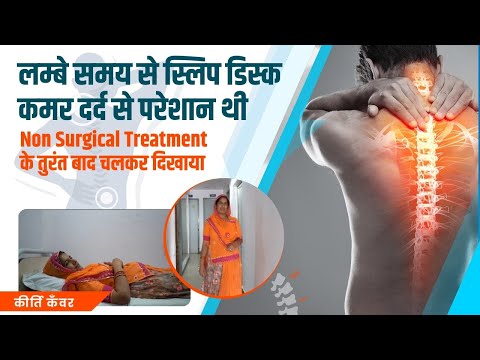
 Slip Disc
 Sciatica
 Chronic Back Pain
 Knee Pain
 Trigeminal Neuralgia
 MIPSI Treatment
Conservative Pain Control
- Medicines, rest or physiotherapy may help early or mild pain
- Relief may be temporary when the pain signal pathway remains active
- Does not directly interrupt the selected pain-carrying nerve

Redefining Spine Care
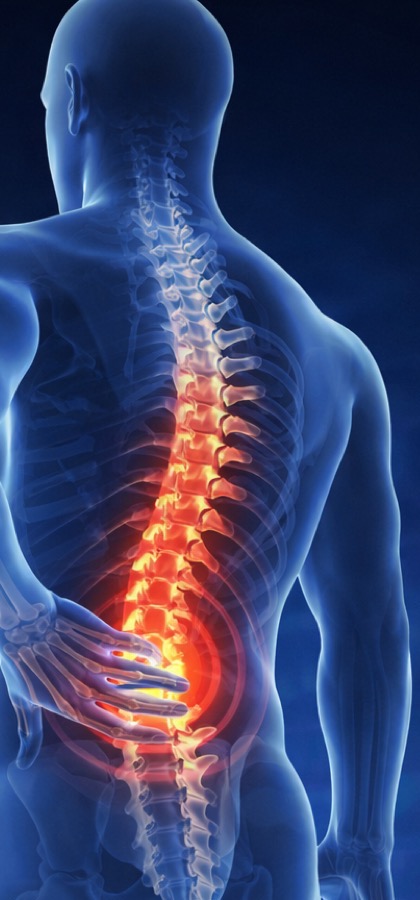
Image-guided Radiofrequency Ablation (RFA) or Neurotomy for selected chronic back pain, neck pain, facet joint pain, and whiplash-related spinal pain.
Precise medial branch nerve targeting for chronic spine pain relief.

Patient Guide
Radiofrequency Treatment, often called Radiofrequency Ablation (RFA) or Neurotomy, is a sophisticated interventional technique used to provide long-term relief from chronic spinal pain. It works by using controlled thermal energy to interrupt the pain signals traveling from specific nerves to the brain. Think of it as turning off the switch on a circuit that is constantly sending pain alarms.
Meet Your Doctor
Interventional Pain Physician (Algologist)
JPRC Neuro Spine Centre provides focused spine, joint and nerve pain care in Jaipur. If you are looking for a spine specialist Jaipur, the consultation focuses on clinical examination, report review and a treatment plan that avoids surgery whenever suitable.
How RFA Works
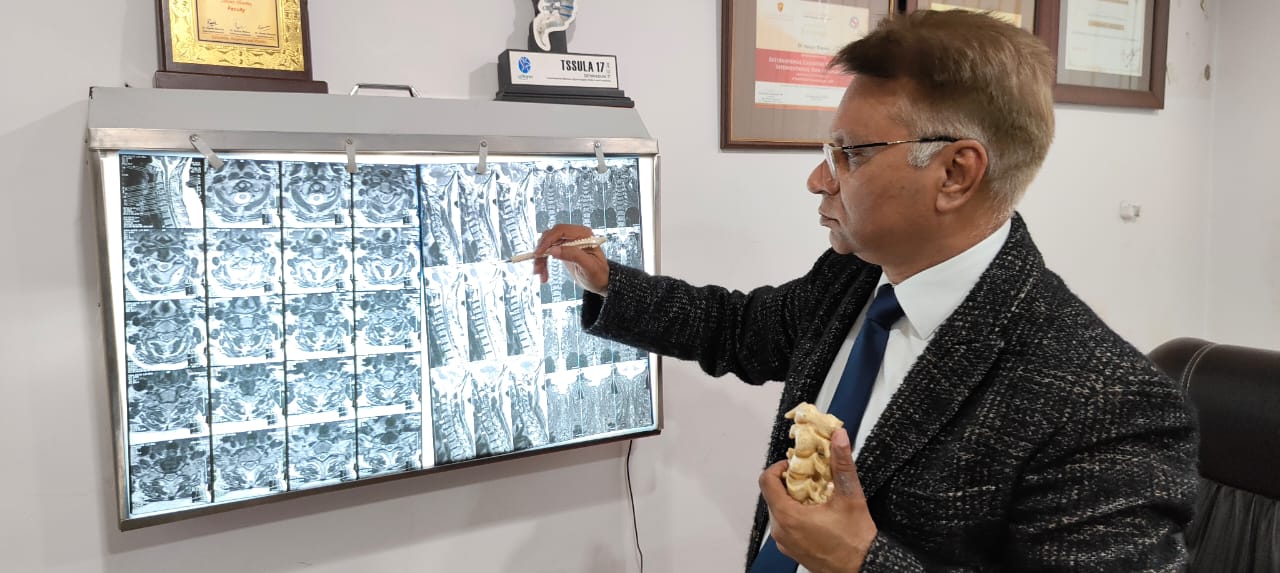
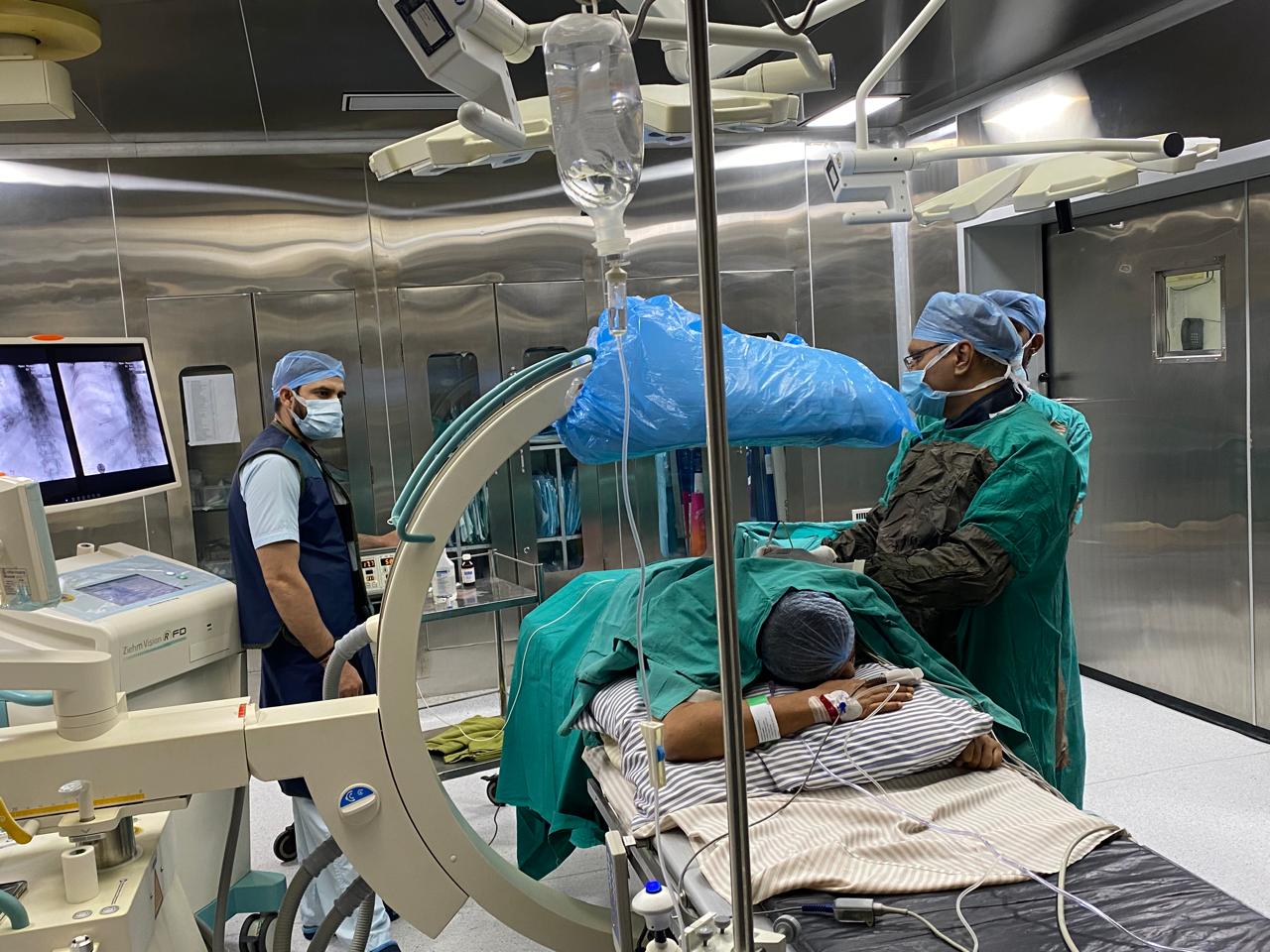
The procedure is performed under live X-ray guidance, also called fluoroscopy. This allows Dr. Sanjay Sharma to place a specialized insulated needle with pinpoint accuracy near the specific medial branch nerve causing pain.
Before treatment begins, a small electrical current is used to test the area. This helps confirm that the needle is positioned next to the pain-carrying nerve and away from nerves responsible for muscle movement or sensation in the arms and legs.
Once the position is confirmed, the tip of the needle is heated using radiofrequency waves. This creates a small, precise thermal lesion on the nerve, blocking its ability to transmit pain signals.
Benefits
Spine RFA is selected only after diagnosis and suitability assessment. For the right patient, it can provide meaningful relief without a large incision, stitches, or prolonged hospital stay.
Treatment Comparison
Radiofrequency treatment is not the first step for every spine pain case. It is considered when clinical findings, diagnostic blocks, and the patient's pain pattern suggest that a targeted medial branch nerve procedure may provide better long-term control.
| Feature | Medication / Physiotherapy | Steroid Injections | Radiofrequency Ablation (RFA) |
|---|---|---|---|
| Primary Goal | Manage symptoms and improve function | Reduce inflammation | Block pain signal transmission |
| Typical Duration | Daily or short-term support | Variable; often temporary | Variable; may provide longer relief in selected patients |
| Procedure Type | Non-invasive | Needle-based | Needle-based thermal treatment |
| Best For | Mild or acute pain | Acute inflammation or flare-up | Selected chronic joint or spine pain |
After RFA, the treated nerve may slowly regenerate over time, so pain can return after a year or sometimes earlier. The procedure can often be safely repeated if it was effective and remains clinically appropriate. The best results come when the pain-free period is used for strengthening, posture correction, and rehabilitation.
Most patients are observed briefly after the treatment and return home the same day. Mild soreness can occur for a short period. The most important advice for patients undergoing RFA is to use the pain-free window to engage in strengthening exercises. By strengthening the muscles supporting the spine while the pain is turned down, patients can often improve the long-term health of the back and neck. You can also explore the broader MIPSI treatment in Jaipur approach used at JPRC for non-surgical spine care.
Radiofrequency treatment, also called RFA or neurotomy, is an image-guided procedure that uses controlled thermal energy to reduce pain signal transmission from selected spinal nerves.
Relief duration is different for every patient. It depends on the diagnosis, treated nerve pathway, nerve regeneration, activity level, and rehabilitation after the procedure.
No. RFA is a minimally invasive needle-based procedure performed through pinhole access, usually without stitches or a large incision.
Suitability depends on examination, imaging, pain pattern, and response to diagnostic medial branch blocks. It is commonly considered for selected chronic facet joint, neck, back, or whiplash-related spine pain cases.
Yes, if the first procedure helped and the pain returns due to nerve regeneration, RFA may be repeated after clinical reassessment.
Get expert advice before surgery at JPRC Neuro Spine Centre, Jaipur.
Are You Experiencing
Don’t ignore the signs your spine is trying to tell you. Early evaluation can help you avoid surgery and get back to life.
Get Your MRI Reviewed
Before Considering Surgery,
Most patients come to us after medicines, physiotherapy and injections have failed.
Why Patients Choose JPRC
Treatment Benefits
PATIENT SUCCESS STORIES
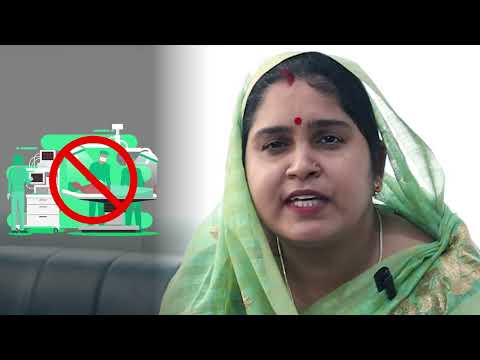
Hear directly from patients who found relief through advanced minimally invasive pain treatments at JPRC.