Diagnosis & Treatments

Hip Joint Pain Treatment in Jaipur

Hip joint pain treatment in Jaipur for arthritis, AVN, bursitis, labral tear, groin pain, buttock pain and walking difficulty with image-guided injections, PRP, nerve blocks, RFA and rehabilitation at JPRC.

Hip Joint Pain Treatment in Jaipur - What Happens and Why

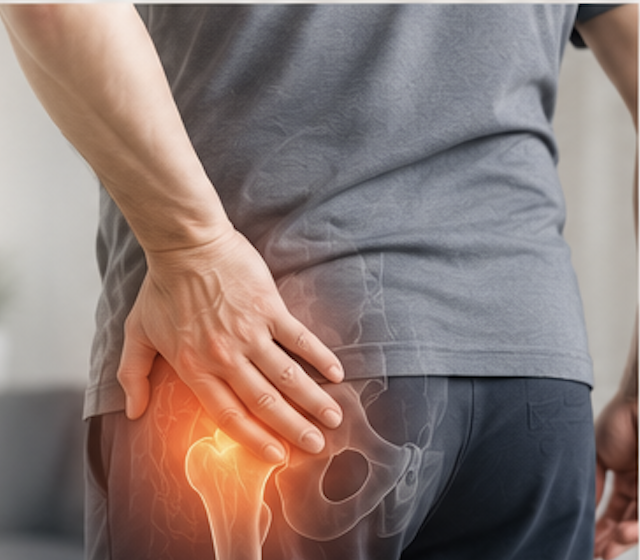
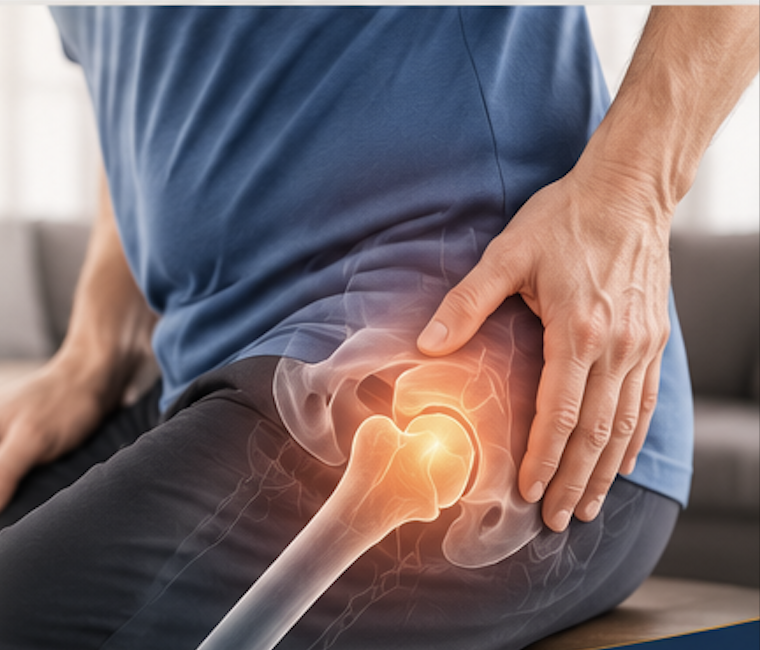
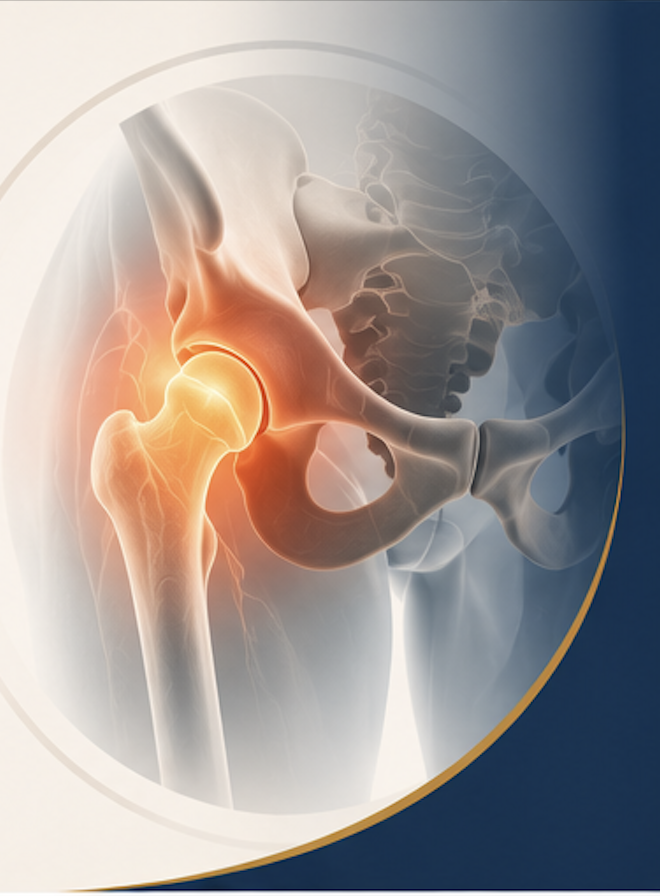
Hip joint pain is a common musculoskeletal problem that can affect walking, standing, sitting and daily activities. The pain may arise from the hip joint itself or surrounding muscles, tendons, nerves or the spine.

Hip pain can occur in younger individuals due to sports injury or avascular necrosis, while in older patients it is commonly caused by arthritis and age-related degeneration. At JPRC, the first step is to identify whether pain is truly from the hip joint, the outer hip bursa, sacroiliac joint, muscles or referred pain from the lumbar spine.

Hip joint pain diagnosis and interventional pain management treatment in Jaipur

Not Every Hip Pain Patient Requires Surgery

Accurate diagnosis and targeted interventional pain management can provide significant pain relief and improve mobility in many selected hip pain patients.

  • Groin pain often suggests the hip joint, but spine and SI joint pain can mimic hip pain
  • X-ray, MRI or ultrasound may be needed depending on the suspected cause
  • Image-guided injections improve accuracy when the hip joint or bursa is the pain source
  • Surgery is considered only when structural damage, AVN progression or severe arthritis requires it
Targeted interventional treatment for hip joint pain in Jaipur

Relieve Pain. Move Better.

At JPRC, hip pain care focuses on accurate diagnosis and targeted pain relief. Image-guided injections, PRP, nerve blocks, RFA and rehabilitation may help selected patients walk better and reduce dependence on repeated painkillers.

  • Targets the hip joint, bursa, tendon, muscle or nerve pathway according to diagnosis
  • Uses ultrasound or fluoroscopy guidance when precision is required
  • Can improve walking ability and daily activity in suitable patients
  • May delay surgery in selected arthritis or chronic hip pain cases

Advanced Solutions for Hip Pain

Treatment is planned according to the exact pain source. Hip arthritis, bursitis, AVN, tendon injury and referred spine pain need different care pathways.

  • Precise treatment planning after examination and reports
  • Quick recovery options in selected day-care procedures
  • Better mobility with pain relief plus rehabilitation
Advanced interventional pain management for hip pain in Jaipur
Hip joint pain mobility recovery and better movement in Jaipur

Healthy Hips, Better Life

The goal is to reduce pain, improve hip movement and help patients return to safer walking, sitting, stair climbing and daily function.

  • Improves walking ability in suitable patients
  • Supports reduced painkiller use
  • Combines procedure-based relief with strengthening and gait training
01

Why Does It Happen?

  • Osteoarthritis of the hip causing cartilage wear, pain, stiffness and reduced mobility
  • Avascular necrosis (AVN), where reduced blood supply to the hip bone causes bone damage and pain
  • Trochanteric bursitis causing outer hip pain, tenderness and pain while lying on one side
  • Labral tear, more common in athletes or after trauma, affecting the cartilage rim of the hip joint
  • Tendinitis, muscle strain or overuse injuries around the hip and pelvis
  • Sacroiliac joint dysfunction or lumbar spine problems such as sciatica that can mimic or radiate toward the hip
02

Common Symptoms

  • Groin pain, buttock pain or outer hip pain
  • Pain while walking, climbing stairs, sitting or turning in bed
  • Stiffness after rest, limping or reduced hip movement
  • Pain while lying on one side, especially in trochanteric bursitis
  • Difficulty with daily activities due to reduced mobility

How Hip Pain Is Diagnosed

Hip pain diagnosis requires careful examination because pain may come from the hip joint, bursa, tendons, sacroiliac joint, nerves or lumbar spine.

Clinical Examination

The doctor evaluates walking pattern, hip movement, tenderness, limb alignment, spine symptoms, nerve signs and whether pain is coming from the hip or referred from another source.

X-Ray Hip

X-ray is helpful for hip arthritis, joint space narrowing, degeneration and avascular necrosis-related bony changes.

MRI Hip

MRI may be advised for labral tears, AVN, soft tissue injuries, occult pathology or persistent pain not explained by X-ray.

Ultrasound or CT Scan

Ultrasound is useful for bursitis, tendon assessment and guided injections. CT scan may be used in selected complex bony cases.

Hip Joint Pain Treatment Options

Many hip pain conditions can be managed with minimally invasive interventional procedures. Treatment is selected after clinical diagnosis, imaging correlation and assessment of walking limitation.

  • Hip Joint Injection - Image-guided anti-inflammatory medicine is placed into the hip joint to reduce pain, improve movement and calm inflammation under ultrasound or fluoroscopy guidance
  • Trochanteric Bursa Injection - Useful for outer hip pain caused by trochanteric bursitis, especially pain while lying on one side
  • PRP Therapy - Platelet-Rich Plasma may help selected patients with early arthritis, tendon injuries and soft tissue inflammation
  • Radiofrequency Ablation (RFA) - Targets selected sensory nerves supplying the hip joint and may help chronic hip arthritis pain, patients unsuitable for surgery or persistent pain after hip replacement
  • Peripheral Nerve Blocks - Help diagnose and treat chronic hip-related pain patterns by targeting specific pain pathways
  • Trigger Point Injection - Helpful for muscle spasm around the hip, buttock and pelvic region
  • Physiotherapy and Rehabilitation - Hip strengthening, stretching, gait training, weight management and mobility exercises support long-term improvement

Advantages of Interventional Pain Management

For suitable hip pain patients, targeted interventional procedures can reduce pain and improve mobility without jumping directly to major surgery.

  • Minimally invasive and commonly day-care based in selected patients
  • Faster recovery with targeted pain relief
  • Reduced painkiller use and better walking ability
  • Improved quality of life and daily function
  • May delay surgery in carefully selected patients

Do Not Ignore These Warning Signs

These signs may indicate a serious problem and should be evaluated urgently instead of waiting for routine consultation.

  • Hip pain persists for weeks, walking becomes painful, or limping starts affecting daily activity
  • Stiffness increases, night pain develops, or sitting, stair climbing and turning in bed become difficult
  • Pain follows a fall, trauma, suspected fracture, fever, redness, swelling or sudden inability to bear weight
  • Groin pain, buttock pain or outer hip pain keeps recurring despite medicines, rest or physiotherapy

Common Questions

Can hip joint pain be treated without surgery?

Many selected hip pain patients can be treated without immediate surgery using diagnosis-led care, image-guided hip joint injection, trochanteric bursa injection, PRP, nerve blocks, RFA and rehabilitation.

How do I know if pain is from the hip or spine?

Groin pain often suggests hip joint involvement, while shooting pain, numbness or tingling may suggest spine or nerve irritation. JPRC evaluates hip movement, walking pattern, spine signs and reports to identify the true pain source.

When is RFA used for hip pain?

Radiofrequency ablation may be considered in selected chronic hip arthritis pain, patients unsuitable for surgery, or persistent pain after hip replacement when sensory nerve pathways are contributing to pain.

Can PRP help hip pain?

PRP may help selected patients with early arthritis, tendon injury or soft tissue inflammation. Suitability depends on diagnosis, severity, imaging findings and functional goals.

Need a Pain Specialist Opinion?

Bring your reports or share your symptoms with JPRC Neuro Spine Centre, Jaipur.

Are You Experiencing

These Symptoms?

Don’t ignore the signs your spine is trying to tell you. Early evaluation can help you avoid surgery and get back to life.

Get Your MRI Reviewed
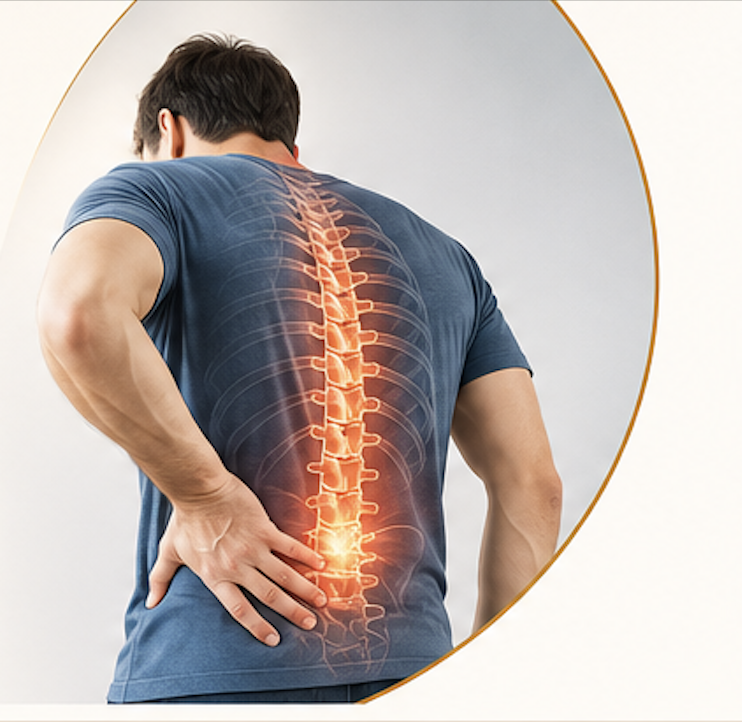
Patient holding lower back in pain
Chronic Back or Leg Pain?
Tingling, Numbness or Weakness?
Difficulty Walking or Sitting?
Recurring Sciatica or Slip Disc Pain?
Surgery Recommended?
Pain Relief Only Temporary?

Before Considering Surgery,

Explore Advanced Minimally Invasive Options

Most patients come to us after medicines, physiotherapy and injections have failed.

Book Consultation
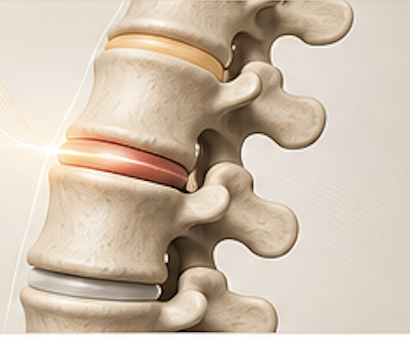
Spine treatment visual

Why Patients Choose JPRC

Why Patients Choose JPRC

30,000+ Patients Treated
35+ Years Experience
No Surgery Approach
Same-Day Procedures

Treatment Benefits

Advanced Spine Treatment Advantages

Image Guided Precision using advanced imaging technology
Minimally Invasive Small incision, less pain, minimal risk
Day Care Procedure Go home the same day in most cases
Rapid Pain Relief Get back to your life sooner

PATIENT SUCCESS STORIES

Patient Success Stories

Hear directly from patients who found relief through advanced minimally invasive pain treatments at JPRC.