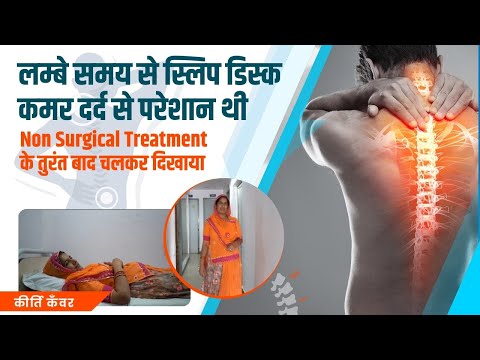
 Slip Disc
 Sciatica
 Chronic Back Pain
 Knee Pain
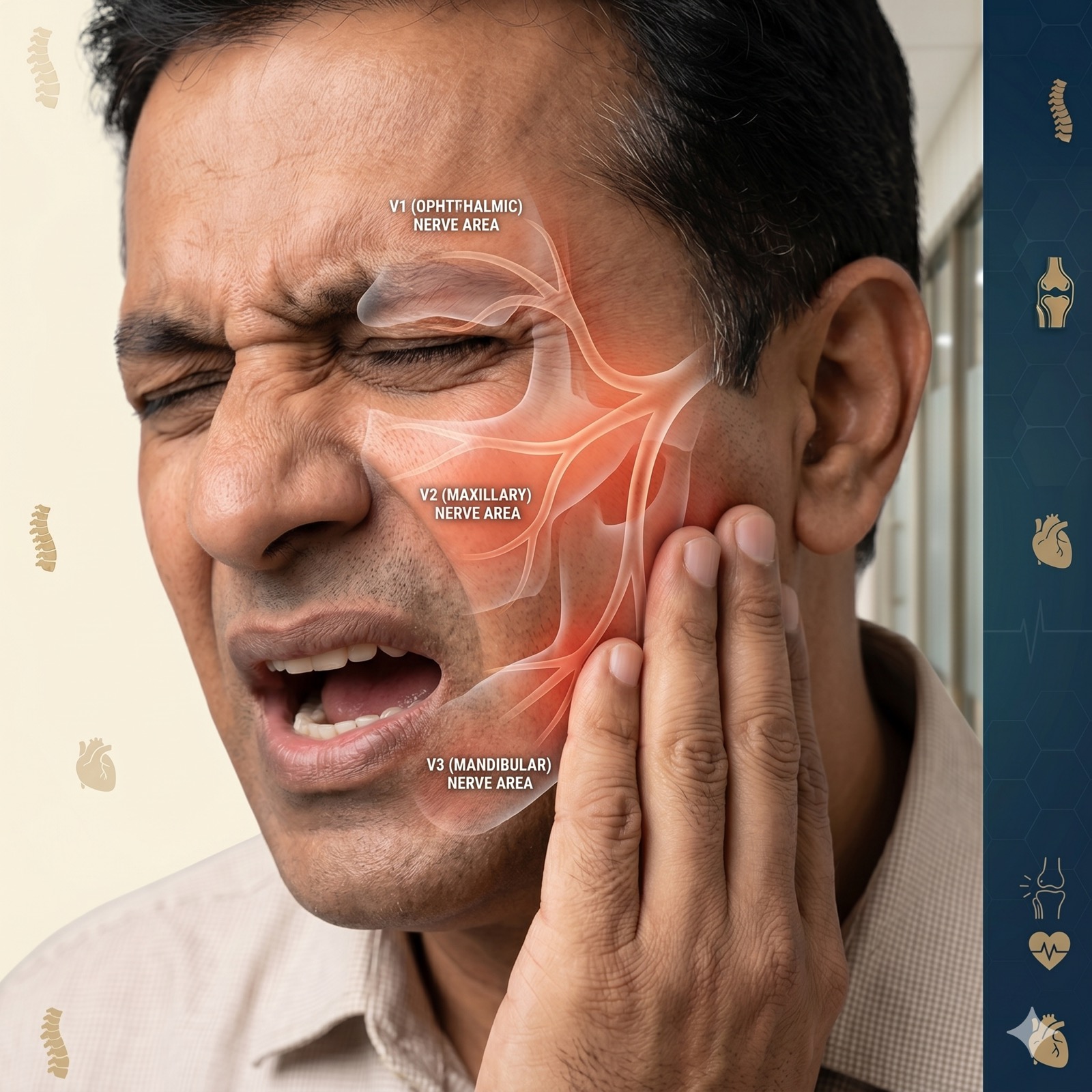 Trigeminal Neuralgia
Traditional Surgery
- Large Incision
- Long Recovery
- Higher Risk

Redefining Spine Care
Advanced minimally invasive pain and spine intervention for patients who want to avoid the risks and long recovery associated with traditional open spine surgery.
Precise. Spine-preserving. Faster recovery focused.

Patient Guide
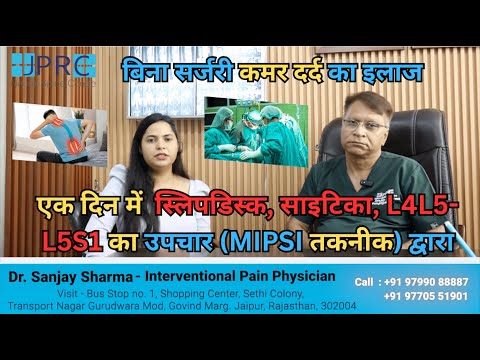
MIPSI stands for Minimally Invasive Pain and Spine Intervention. At JPRC Neuro Spine Centre, Dr. Sanjay Sharma has pioneered this advanced protocol for patients who want effective spine care without major open surgery. MIPSI is not a single procedure but a specialized philosophy of care that treats the root cause of spinal pain through precision guided pinhole techniques.
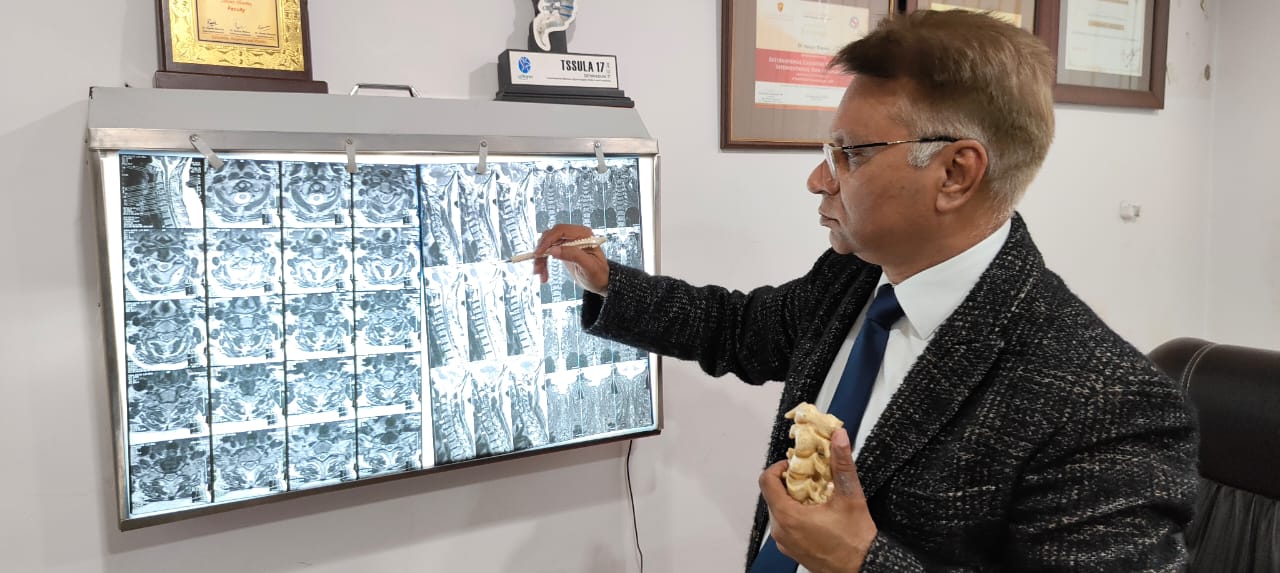
Meet Your Doctor
Interventional Pain Physician (Algologist)
JPRC Neuro Spine Centre provides focused spine, joint and nerve pain care in Jaipur. If you are looking for a spine specialist Jaipur, the consultation focuses on clinical examination, report review and a treatment plan that avoids surgery whenever suitable.
How MIPSI Works
Using C-Arm fluoroscopy, Dr. Sanjay Sharma guides micro-instruments or specialized needles directly to the site of pathology instead of cutting through large areas of muscle and tissue.
The treatment is delivered through very small access points, helping preserve muscles, bone, and ligaments while still reaching the exact structure causing pain.
By treating the painful disc, nerve, scar tissue, or inflamed area directly, MIPSI is designed to reduce pain, improve mobility, and shorten recovery time while avoiding unnecessary tissue disruption.
Clinical Philosophy
Dr. Sharma recommends MIPSI because the goal is not simply to avoid surgery, but to preserve the natural stability of the spine while delivering accurate treatment at the exact site of pain. At JPRC, every plan is based on clinical findings, imaging, and whether a minimally invasive path can safely give better recovery.
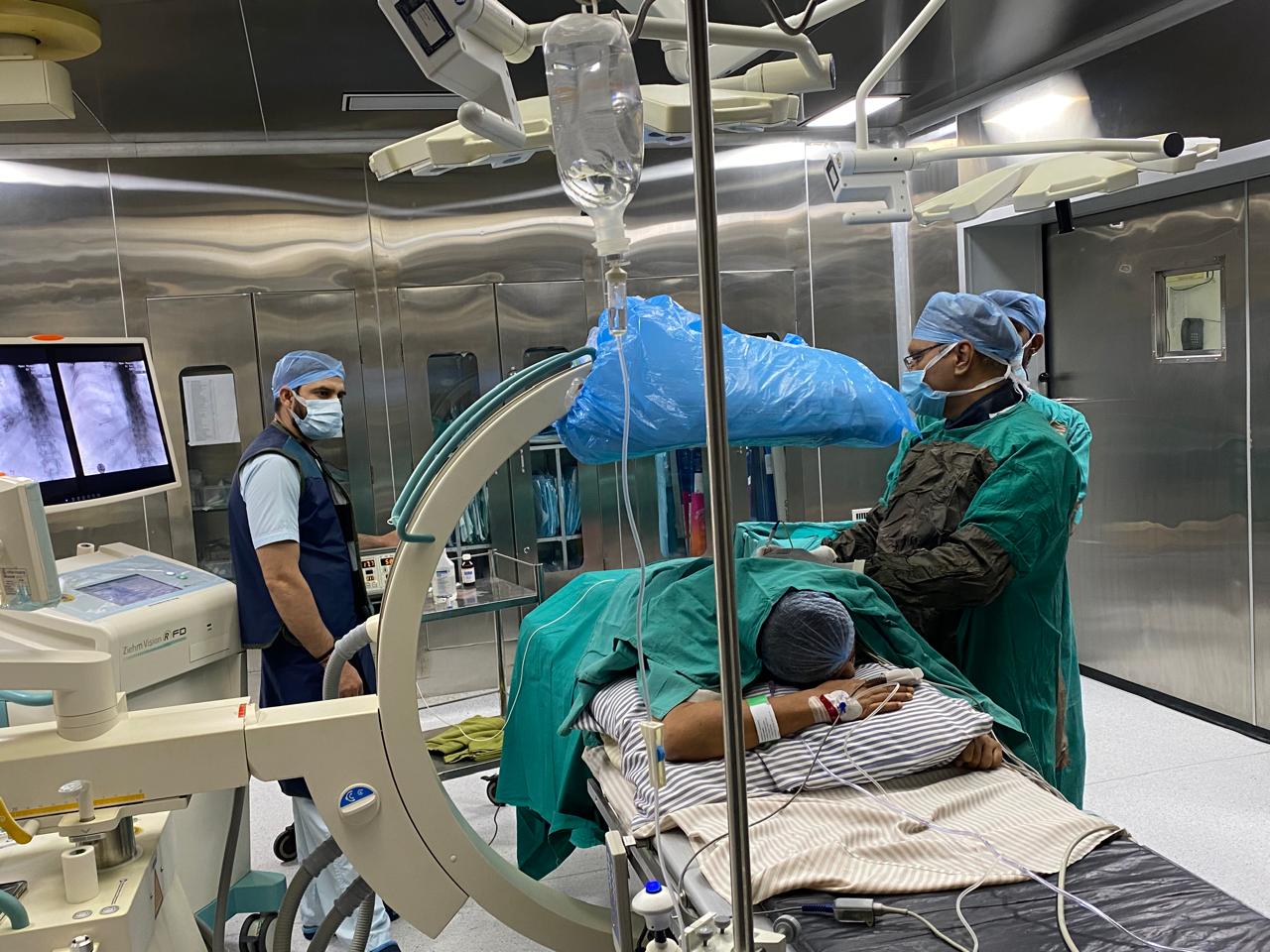
MIPSI Advantage
For selected patients, MIPSI offers a much lighter treatment pathway than open surgery. The right option still depends on the diagnosis, imaging, neurological status, and response to conservative care.
| Feature | MIPSI (Interventional) | Traditional Surgery | Why It Matters |
|---|---|---|---|
| Incision Size | Pinhole access; no stitches in many procedures | Large incision, often around 3 to 5 inches | Less tissue trauma and smaller wound burden |
| Tissue Damage | Minimal; muscles are preserved as much as possible | More muscle cutting or detachment may be needed | Supports quicker movement and recovery |
| Anesthesia | Local anesthesia or light sedation | General anesthesia | Lower physiological stress for many patients |
| Hospital Stay | Day-care; many patients go home the same day | Often 4 to 7 days | Faster return home and less disruption |
| Recovery Time | Often 2 to 3 days for routine activity | Commonly 6 to 12 weeks | Less downtime for work, family, and mobility |
MIPSI is not a one-size-fits-all solution. Patient selection matters. Cases with severe neurological deficit, instability, fracture, infection, or complex compression may still need surgical management, which is why evaluation by an experienced spine and pain specialist is essential.
If you are suffering from L4-L5 or L5-S1 disc bulges, sciatica, or chronic back pain that has not improved with medicine or physiotherapy, MIPSI may offer a safe and effective path back to relief before open surgery is considered. In selected chronic spine pain cases, radiofrequency ablation treatment in Jaipur can also help reduce pain signal transmission for longer-duration relief. At JPRC, Dr. Sanjay Sharma evaluates each case individually and recommends the least invasive treatment that can still deliver meaningful results.
MIPSI stands for Minimally Invasive Pain and Spine Intervention. It includes precision-guided procedures that target the source of pain without the large incision and long recovery associated with open spine surgery.
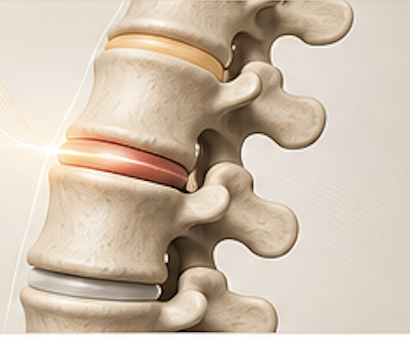
MIPSI may help selected patients with slip disc, sciatica, chronic back pain, nerve compression, annular tears, and pain after previous spine procedures. Suitability depends on examination and imaging.
MIPSI is not traditional open surgery. Most procedures are done through pinhole access using needles or micro-instruments under imaging guidance, usually with local anesthesia or light sedation.
Many patients go home the same day and return to routine activity within a few days, depending on the exact procedure and the condition being treated.
If you have persistent back pain, sciatica, or disc-related symptoms not improving with medicines or physiotherapy, Dr. Sanjay Sharma can evaluate whether a minimally invasive approach is suitable before considering open surgery.
Get expert advice before surgery at JPRC Neuro Spine Centre, Jaipur.
Are You Experiencing
Don’t ignore the signs your spine is trying to tell you. Early evaluation can help you avoid surgery and get back to life.
Get Your MRI Reviewed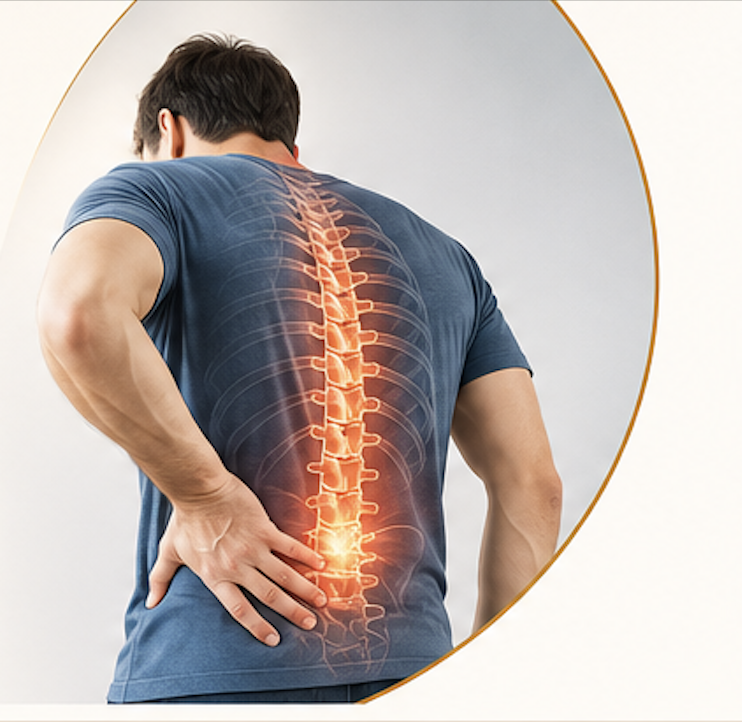
Before Considering Surgery,
Most patients come to us after medicines, physiotherapy and injections have failed.
Why Patients Choose JPRC
Treatment Benefits
PATIENT SUCCESS STORIES
Hear directly from patients who found relief through advanced minimally invasive pain treatments at JPRC.