 Slip Disc
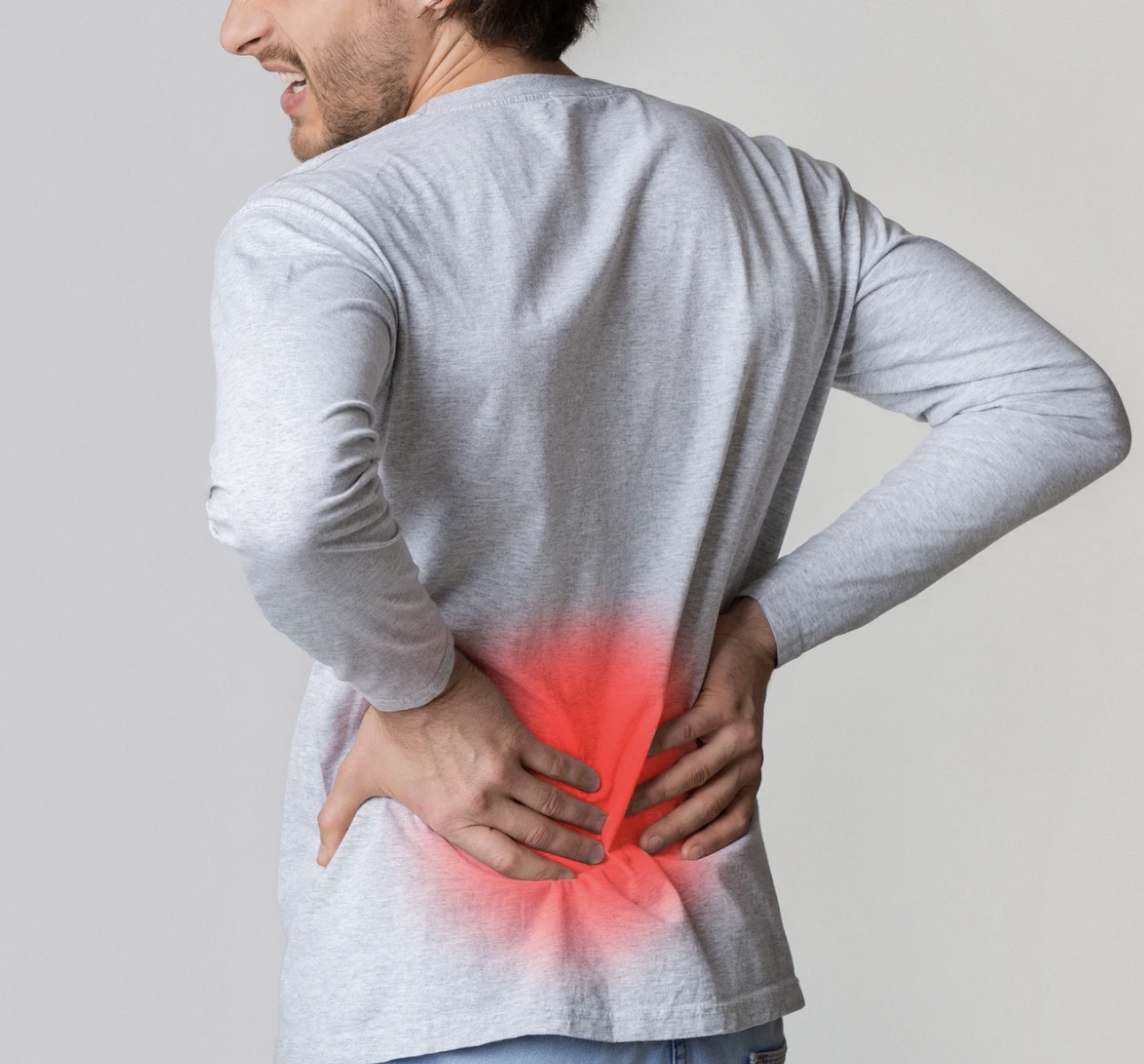 Sciatica
 Chronic Back Pain
 Knee Pain
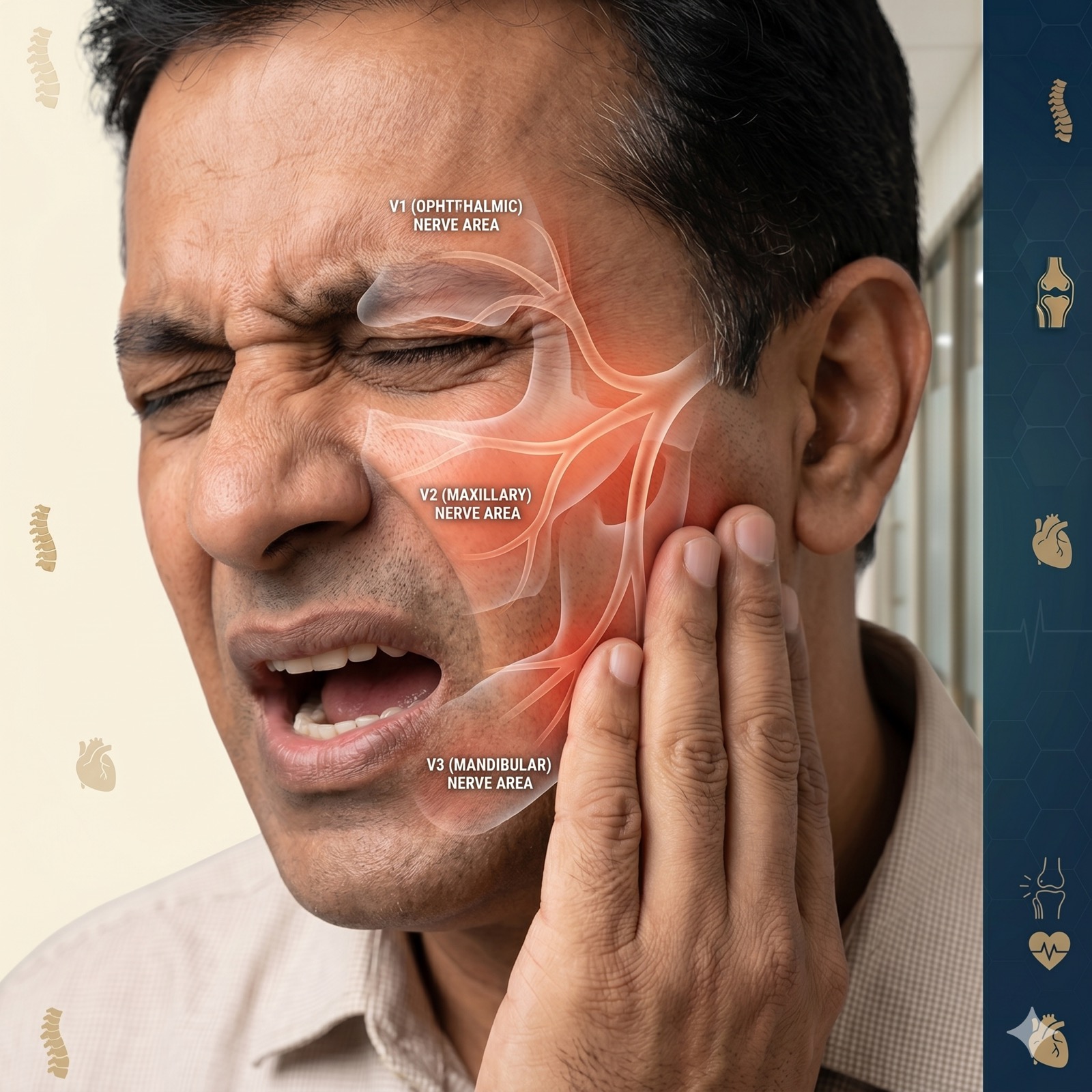 Trigeminal Neuralgia
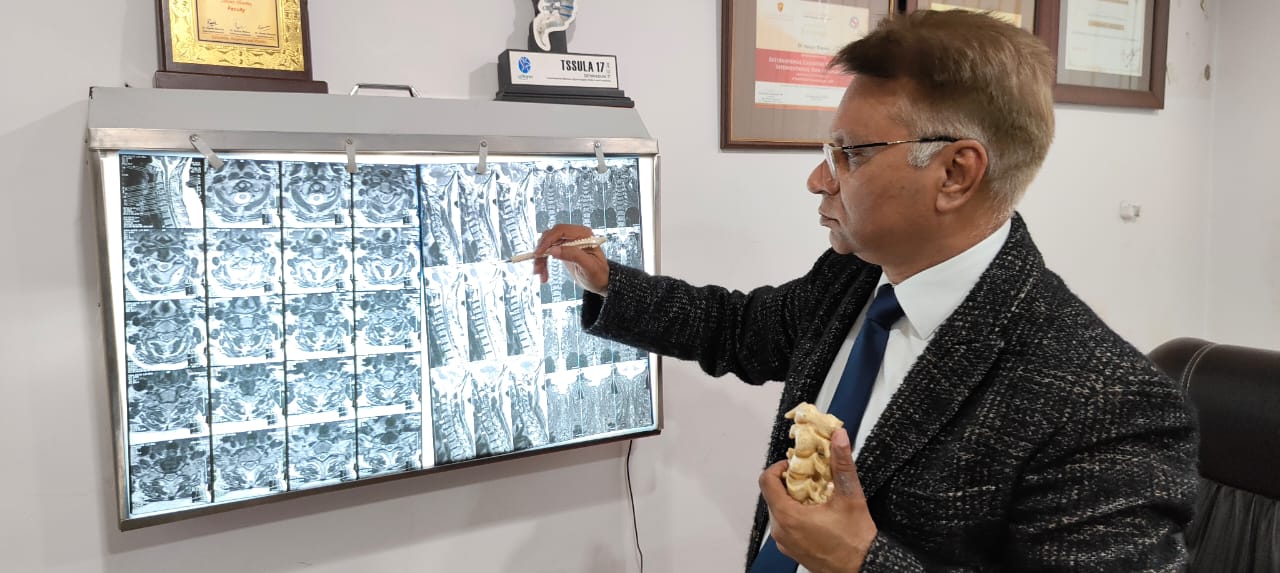 MIPSI Treatment
Open Knee Surgery
- Larger incision
- Longer recovery period
- Hospital stay
- More tissue disruption

Redefining Spine Care
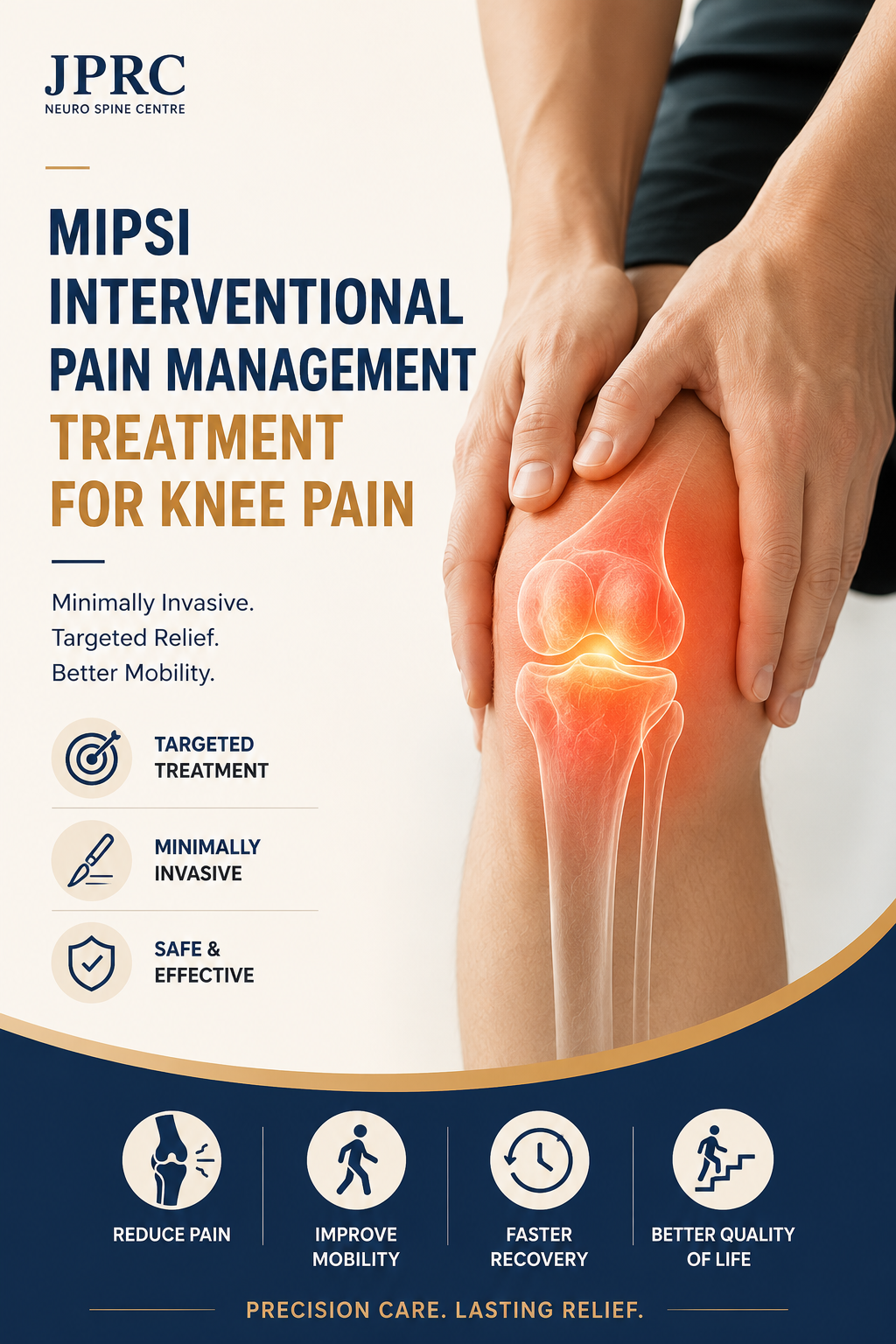
Diagnosis-led non-surgical and interventional pain management for knee arthritis, injury, swelling, stiffness and chronic knee pain.
Safe. Effective. Non-Surgical.

Patient Guide
Knee pain is one of the most common musculoskeletal problems affecting people of all ages. It may occur due to arthritis, ligament injury, cartilage damage, overuse, obesity, sports injury or age-related degeneration. Pain may be mild and occasional, or severe enough to affect walking, climbing stairs and daily activities.
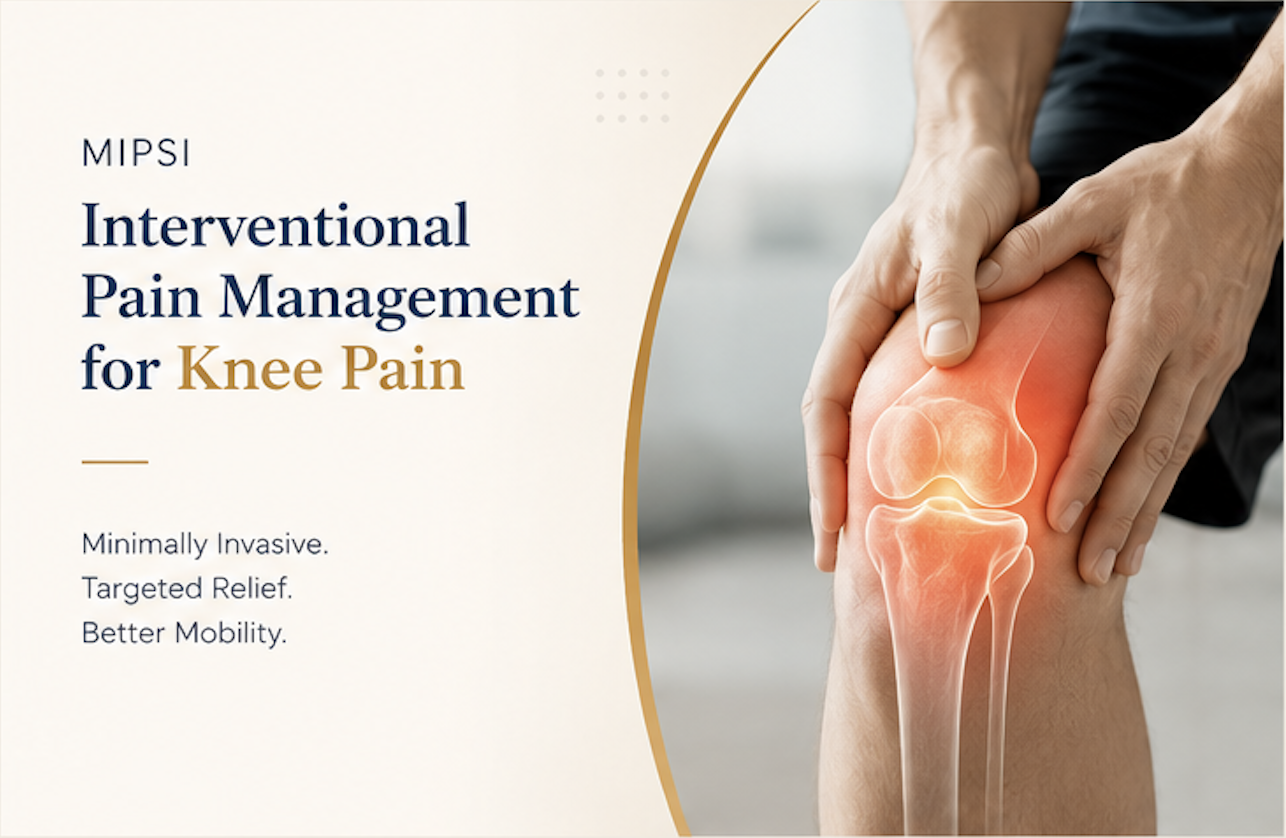
Diagnosis
The doctor evaluates swelling, tenderness, joint stability, movement restriction, walking pattern, locking, clicking and whether pain is coming from the joint, ligament, meniscus, tendon or surrounding tissues.
X-ray is useful for arthritis, joint space narrowing, bone changes, deformity and age-related degeneration.
MRI helps evaluate ligament injury, meniscus tear, cartilage damage and internal joint structures when symptoms suggest soft-tissue injury.
Ultrasound may help assess soft-tissue inflammation or fluid. Blood tests are used in selected inflammatory arthritis cases such as rheumatoid arthritis.
When to Consult
If knee pain continues despite rest, medicines or basic exercise, a structured evaluation can prevent worsening stiffness and movement loss.
Difficulty walking, repeated swelling or stair-climbing pain needs proper diagnosis before deciding on injections, PRP, RFA or surgery.
Giving-way, locking, twisting pain or sudden swelling may indicate meniscus or ligament involvement and should be examined early.

How We Treat It
Many knee pain patients can be treated without major surgery using minimally invasive interventional pain procedures. At JPRC, the plan is based on clinical diagnosis, X-ray or MRI findings, pain severity, walking limitation and the patient's goals.
Diagnosis-Led Care
Knee pain treatment starts with understanding whether symptoms are coming from arthritis, ligament injury, meniscus tear, tendon inflammation, bursitis or nerve-mediated pain.
Advanced Solutions
Interventional knee pain care may help suitable patients reduce pain, improve walking tolerance and return to daily activity with less dependence on repeated painkillers.
Precision Care
MIPSI-based knee pain care focuses on minimally invasive, targeted relief where suitable. The goal is not just pain control, but better movement and safer daily function.
Procedure Guide
The best procedure depends on diagnosis. Arthritis, ligament injury, meniscus tear, tendon inflammation and nerve-mediated knee pain need different treatment plans.
| Procedure | Often Considered For | Key Benefit |
|---|---|---|
| Knee Joint Injection | Inflammation, swelling and arthritis flare-ups | Reduces pain and swelling in selected patients |
| Viscosupplementation | Selected knee osteoarthritis cases | Improves lubrication and smoother movement |
| PRP Therapy | Early arthritis, tendon injury and selected sports injuries | Uses the patient's own platelets to support healing |
| Genicular Nerve Block | Chronic arthritis pain or pain after knee replacement | Targets knee pain nerves and helps confirm RFA suitability |
| Knee RFA | Selected chronic knee pain patients | Longer-duration pain relief by interrupting pain signals |
Procedures work best when combined with quadriceps strengthening, mobility exercises, weight management, gait correction and activity guidance.
Not every knee pain patient requires surgery. Early diagnosis and targeted interventional pain management can help reduce pain, improve mobility and enhance quality of life. If knee pain persists for weeks, walking becomes difficult, swelling repeatedly occurs or daily activities are affected, consult a pain or orthopedic specialist.
Yes. Many knee pain patients can be managed without knee replacement using diagnosis-led treatment such as joint injections, PRP therapy, viscosupplementation, genicular nerve block, RFA and rehabilitation. Suitability depends on examination and reports.
PRP, or Platelet-Rich Plasma, uses the patient's own platelets to support healing and reduce pain. It is commonly considered in selected early arthritis, tendon injuries and sports injury cases.
Genicular nerve RFA uses controlled heat energy to reduce pain signals from selected knee nerves. It may provide longer-duration relief in suitable chronic knee arthritis pain or persistent pain after knee replacement.
Consult if knee pain persists for weeks, walking or stairs become difficult, swelling keeps recurring, the knee feels unstable, or daily activity is affected.
Get expert advice before surgery at JPRC Neuro Spine Centre, Jaipur.
Are You Experiencing
Don’t ignore the signs your spine is trying to tell you. Early evaluation can help you avoid surgery and get back to life.
Get Your MRI Reviewed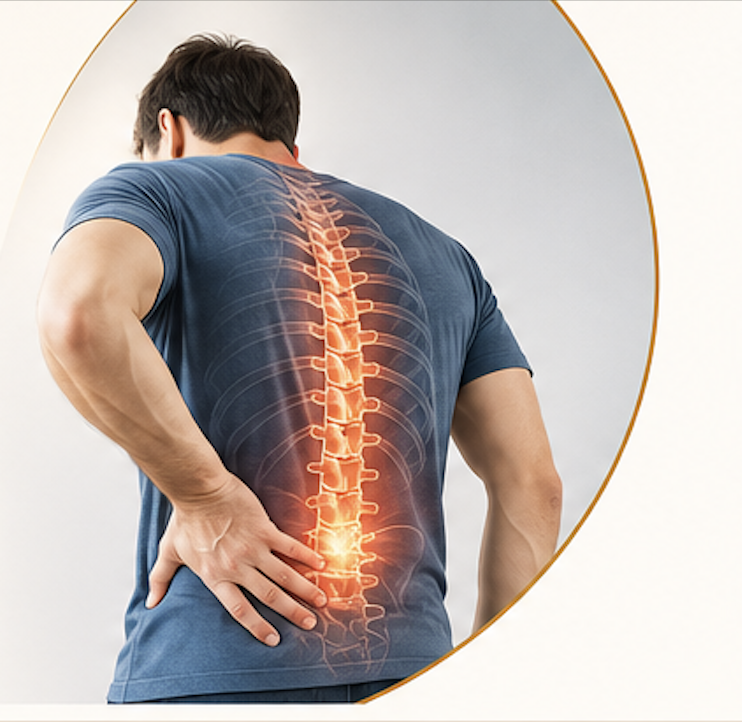
Before Considering Surgery,
Most patients come to us after medicines, physiotherapy and injections have failed.
Why Patients Choose JPRC
Treatment Benefits
PATIENT SUCCESS STORIES
Hear directly from patients who found relief through advanced minimally invasive pain treatments at JPRC.