Diagnosis & Treatments

Frozen Shoulder (Adhesive Capsulitis) Treatment in Jaipur

Frozen shoulder treatment in Jaipur for adhesive capsulitis, shoulder stiffness, night pain and restricted movement with ultrasound-guided injections, hydrodilatation, suprascapular nerve block and rehabilitation at JPRC.

Frozen Shoulder (Adhesive Capsulitis) Treatment in Jaipur - What Happens and Why

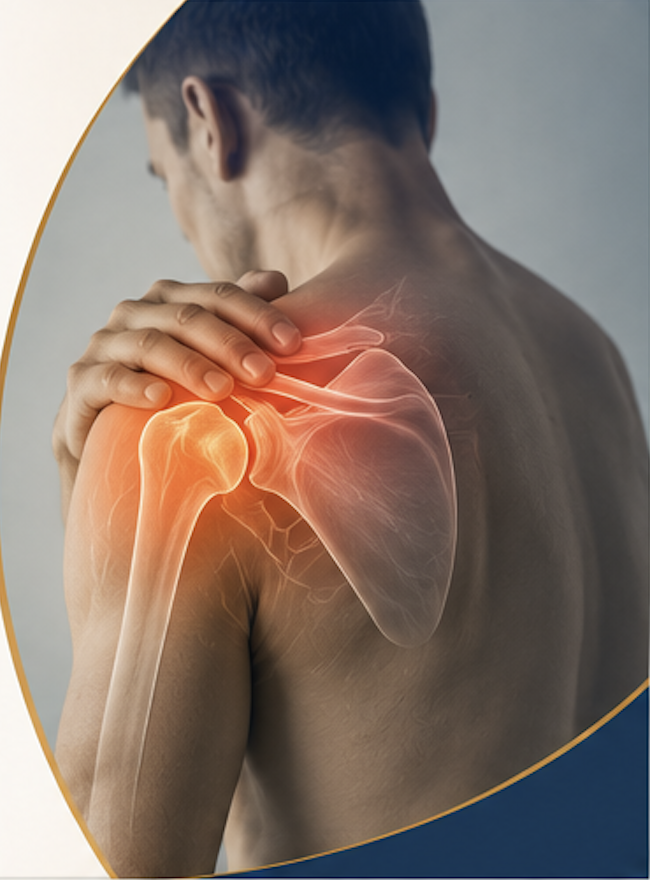
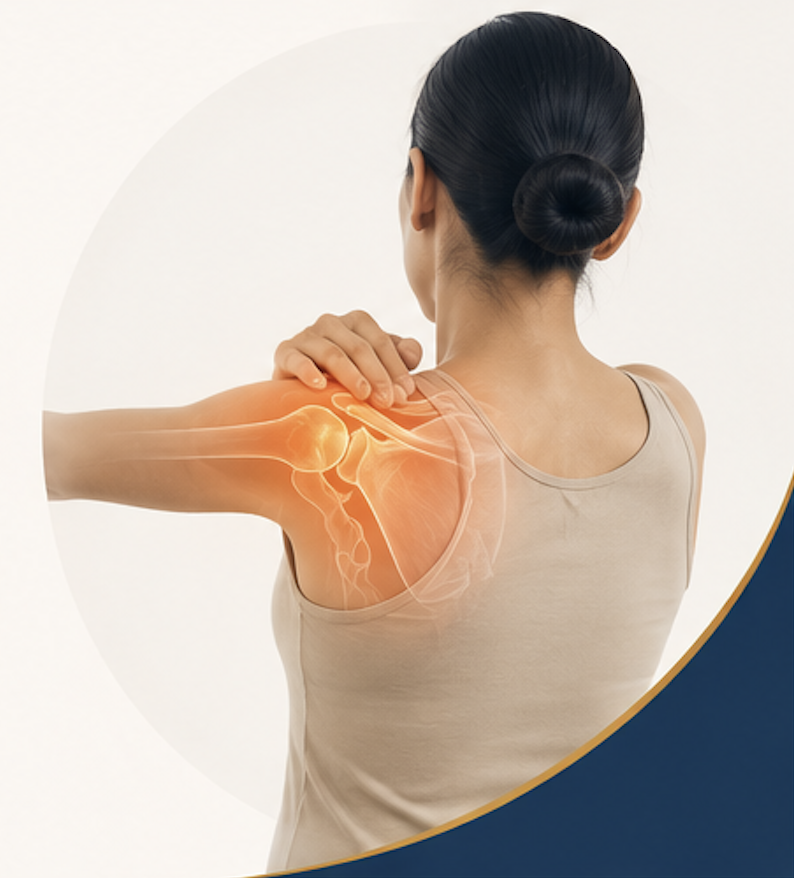
Frozen shoulder, medically called adhesive capsulitis, is a condition in which the shoulder joint becomes painful and stiff because of inflammation and tightening of the joint capsule.

The shoulder gradually loses range of motion, making daily activities difficult such as combing hair, wearing clothes, reaching overhead, grooming and sleeping on the affected side. It commonly affects people between 40 and 60 years of age and is more common in diabetic patients.

Frozen shoulder stiffness and restricted shoulder movement treatment in Jaipur

Pain and Stiffness Can Last Months to Years if Ignored

Frozen shoulder usually progresses through freezing, frozen and thawing stages. Early diagnosis and targeted pain control can help patients participate better in physiotherapy and reduce prolonged disability.

  • Freezing stage - increasing shoulder pain, progressive stiffness and night pain
  • Frozen stage - severe restriction of movement with difficulty in daily activities
  • Thawing stage - gradual improvement in movement during the recovery phase
  • Without treatment, the whole process may continue for several months to years
Frozen shoulder targeted treatment to relieve pain and restore movement in Jaipur

Relieve Pain. Restore Movement.

At JPRC, frozen shoulder treatment is planned around pain control and movement restoration. Image-guided injections, hydrodilatation, nerve blocks and rehabilitation are used in selected patients to reduce stiffness and help the shoulder move again.

  • Reduces inflammation and night pain in suitable patients
  • Improves tolerance for stretching and physiotherapy
  • Targets the shoulder joint, capsule or pain nerves according to diagnosis
  • Supports faster return to daily shoulder function

Regain Pain-Free Movement

Interventional procedures can give a pain-free window so patients can perform shoulder exercises more effectively. This is especially useful when pain is stopping physiotherapy.

  • Day-care, minimally invasive options in selected patients
  • Useful for severe pain and restricted mobility
  • Combined with physiotherapy for sustained improvement
Advanced care for frozen shoulder pain-free movement in Jaipur
Frozen shoulder mobility recovery and shoulder stiffness treatment in Jaipur

Move Better. Live Better.

Frozen shoulder can become severely disabling if ignored. Early diagnosis, targeted interventional pain management and guided physiotherapy can significantly improve pain and shoulder mobility.

  • Helps restore function for dressing, grooming and overhead activity
  • May reduce prolonged disability when treated early
  • Improves participation in range-of-motion and strengthening exercises
01

Why Does It Happen?

  • Diabetes mellitus, one of the most common associated conditions
  • Prolonged shoulder immobilization after injury, surgery, fracture or stroke
  • Rotator cuff problems that coexist with shoulder pain and stiffness
  • Thyroid disorders and other metabolic risk factors
  • Cervical spine problems where neck pain may coexist with shoulder stiffness
  • Idiopathic frozen shoulder, where no exact cause is identified despite evaluation
02

Common Symptoms

  • Shoulder pain and stiffness with reduced range of motion
  • Difficulty lifting the arm or reaching overhead
  • Night pain or pain while sleeping on the affected side
  • Pain while dressing, grooming, combing hair or wearing clothes
  • Reduced overhead activity and daily functional limitation

How Frozen Shoulder Is Diagnosed

Frozen shoulder diagnosis is mainly clinical, but imaging may be used to rule out arthritis, fracture, rotator cuff pathology or other shoulder conditions.

Clinical Examination

The doctor checks active and passive movement restriction, painful shoulder movements, joint stiffness pattern, night pain history and functional limitation.

X-Ray Shoulder

X-ray is usually done to rule out arthritis, fracture or bony causes of shoulder pain and stiffness.

MRI Shoulder

MRI may help identify capsule thickening, rotator cuff problems and associated pathology when symptoms or examination suggest another cause.

Ultrasound Assessment

Ultrasound is useful for soft tissue assessment and may guide precise shoulder injections where suitable.

Frozen Shoulder Treatment Options

Interventional pain management helps reduce pain, improve mobility and accelerate rehabilitation. The aim is to make shoulder movement and physiotherapy tolerable so stiffness can gradually improve.

  • Ultrasound-Guided Shoulder Joint Injection - Anti-inflammatory medicine is placed inside the shoulder joint to reduce inflammation, improve pain and support mobility
  • Hydrodilatation / Distension Therapy - Fluid is injected into the shoulder joint capsule to stretch the tight capsule and improve shoulder movement
  • Suprascapular Nerve Block - Targets shoulder pain nerves and is helpful when severe pain prevents physiotherapy
  • Radiofrequency Procedures - Selected chronic shoulder pain patients may benefit from targeted nerve modulation techniques
  • Trigger Point Injection - Useful when surrounding shoulder muscles develop spasm, tightness and myofascial pain
  • Physiotherapy and Rehabilitation - Range of motion exercises, stretching, pendulum exercises and strengthening are essential for long-term recovery

Advantages of Interventional Pain Management

For suitable frozen shoulder patients, targeted interventional treatment can reduce pain and make rehabilitation more effective.

  • Minimally invasive and usually day-care based
  • Faster pain relief in selected patients
  • Improved shoulder mobility and daily function
  • Better participation in physiotherapy
  • May reduce prolonged disability and repeated painkiller dependence

Do Not Ignore These Warning Signs

These signs may indicate a serious problem and should be evaluated urgently instead of waiting for routine consultation.

  • Shoulder pain persists for weeks or night pain disturbs sleep
  • Shoulder movement becomes restricted and daily activities such as dressing, grooming or reaching overhead become difficult
  • Physiotherapy alone is not helping because pain prevents proper shoulder movement
  • Pain follows a fall, injury, suspected fracture, redness, swelling, fever or rapidly worsening weakness

Common Questions

What is frozen shoulder or adhesive capsulitis?

Frozen shoulder is a condition where the shoulder capsule becomes inflamed and tight, causing pain, stiffness and reduced range of motion. It can make dressing, grooming, reaching overhead and sleeping difficult.

Can frozen shoulder be treated without surgery?

Many patients improve without surgery using interventional pain management, ultrasound-guided shoulder injection, hydrodilatation, suprascapular nerve block and structured physiotherapy.

How does hydrodilatation help frozen shoulder?

Hydrodilatation, also called distension therapy, places fluid into the shoulder joint capsule to stretch the tight capsule. It may improve shoulder movement and reduce stiffness in selected patients.

Why is physiotherapy important after pain relief?

Pain control helps patients tolerate range-of-motion exercises, stretching and strengthening. Physiotherapy is essential for restoring shoulder mobility and reducing long-term stiffness.

Need a Pain Specialist Opinion?

Bring your reports or share your symptoms with JPRC Neuro Spine Centre, Jaipur.

Are You Experiencing

These Symptoms?

Don’t ignore the signs your spine is trying to tell you. Early evaluation can help you avoid surgery and get back to life.

Get Your MRI Reviewed
Patient holding lower back in pain
Chronic Back or Leg Pain?
Tingling, Numbness or Weakness?
Difficulty Walking or Sitting?
Recurring Sciatica or Slip Disc Pain?
Surgery Recommended?
Pain Relief Only Temporary?

Before Considering Surgery,

Explore Advanced Minimally Invasive Options

Most patients come to us after medicines, physiotherapy and injections have failed.

Book Consultation
Spine treatment visual

Why Patients Choose JPRC

Why Patients Choose JPRC

30,000+ Patients Treated
35+ Years Experience
No Surgery Approach
Same-Day Procedures

Treatment Benefits

Advanced Spine Treatment Advantages

Image Guided Precision using advanced imaging technology
Minimally Invasive Small incision, less pain, minimal risk
Day Care Procedure Go home the same day in most cases
Rapid Pain Relief Get back to your life sooner

PATIENT SUCCESS STORIES

Patient Success Stories

Hear directly from patients who found relief through advanced minimally invasive pain treatments at JPRC.