Back Pain Surgery and Risk

24
Mar

Back Pain Surgery and Risk

Why do back surgeries fail?

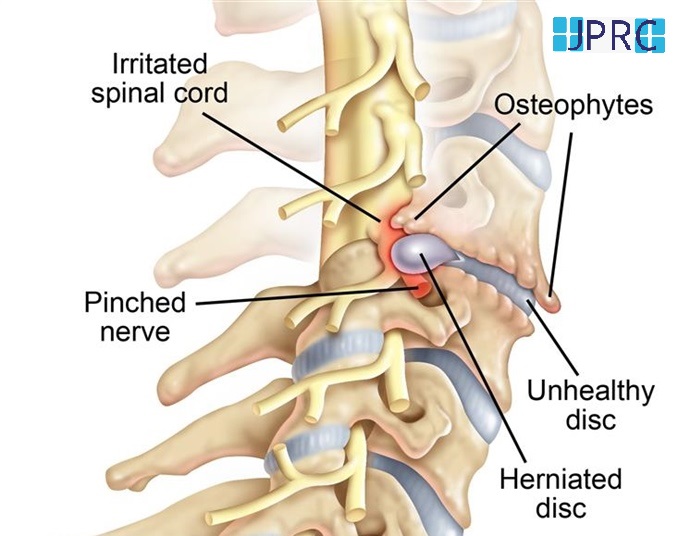
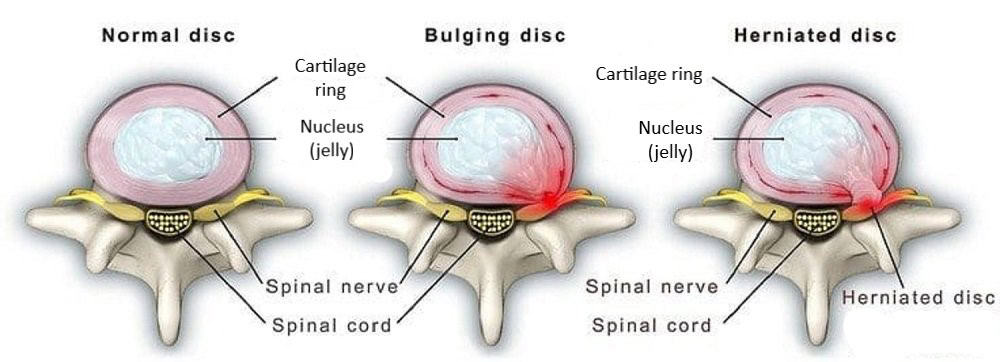
Improper preoperative patient selection before back surgery. This is the most common cause of failed back surgery syndrome. For example, degenerative disc disease is less commonly correlated with patients back pain than leg pain from a disc herniation pinching a nerve root.

How dangerous is back surgery?

There is a slight risk of damaging the spine or nerves. All surgery has some risks, including Bleeding, infection, risks from Anesthesia, and Death. There is a chance that the surgery won't relieve your symptoms. And even if you get better with surgery, there is a chance you may get new symptoms in the future. Despite the best surgery by the best surgeon at the best centre too.

What is the success rate of back surgery?

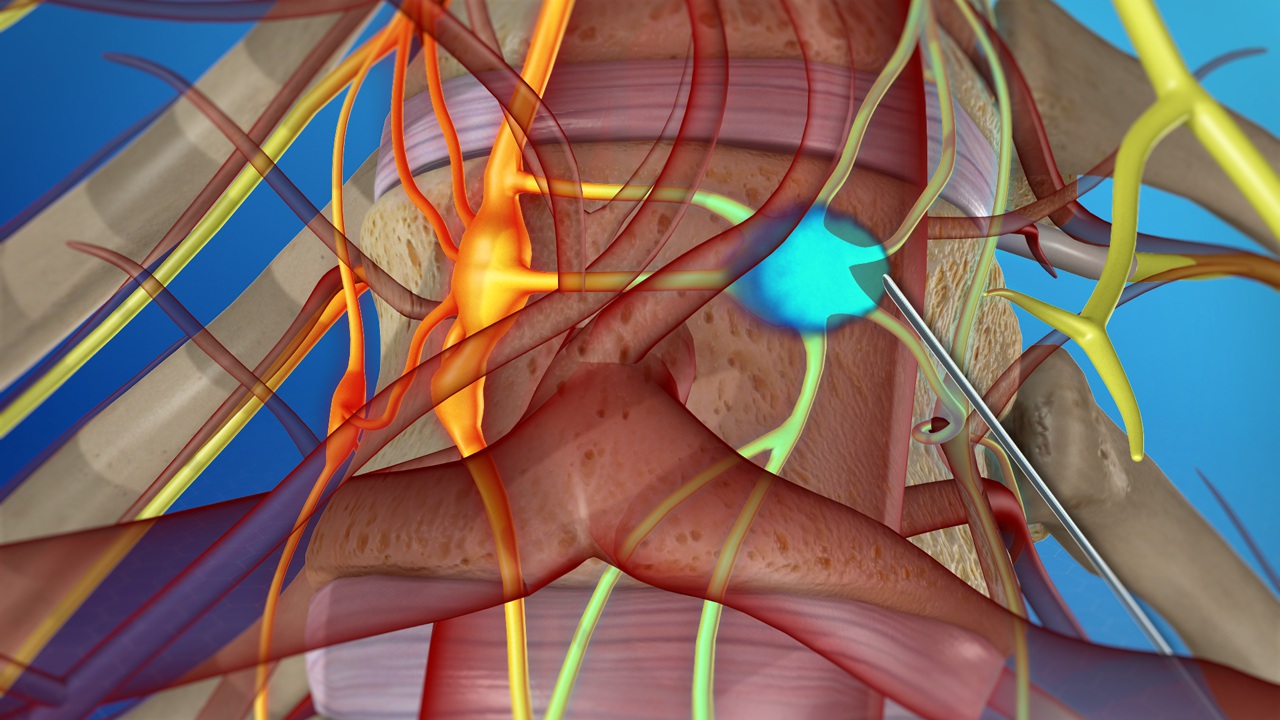
Back surgery for a pinched nerve can usually be done with a minimally invasive approach, and will usually result in an early return to normal function (1 to 3 weeks). The success rate for decompression spine surgery is high, with approximately 90% of patients experiencing good relief of the leg pain after the surgery

Can Back surgery paralyze you?

Paralysis is an uncommon, but serious, a complication that can occur as a result of lumbar decompression surgery. Nerve injuries and paralysis can be caused by several different problems, including bleeding inside the spinal column (extradural spinal haematoma) leaking of spinal fluid (incidental durotomy).

Is back surgery a good idea?

Back surgery might be an option if conservative treatments haven't worked and your pain is persistent and disabling. Back surgery often more predictably relieves associated pain or numbness that goes down one or both arms or legs. These symptoms often are caused by compressed nerves in your spine.

When it's time for Surgery

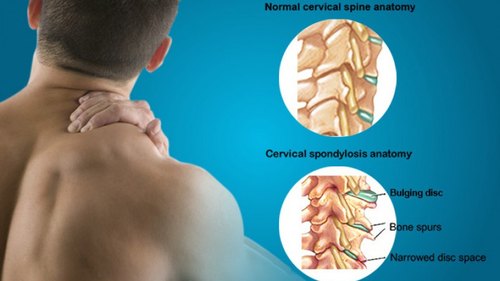
A degenerative spinal condition like stenosis (narrowing of the spinal canal) that's causing side effects, like motor weakness. or numbness in your arms and legs. Trouble walking or using your hands. Lost bladder or bowel control because of a problem with the nerves in your back cauda equine syndrome symptoms are an indication of emergency surgery for the spine.

How long does it take to recover from L4 -L5 back surgery?

You'll be encouraged to walk and move around the day after surgery and you'll likely be discharged next days afterwards. It will take about 4 to 6 weeks for you to reach your expected level of mobility and function (this will depend on the severity of your condition and symptoms before the operation) and your physical and psychological status.

What percentage of back surgeries are successful?

Although more than 50% of primary spinal surgeries are successful, no more than 30%, 15%, and 5% of the patients experience a successful outcome after the second, third, and fourth surgeries, respectively

Are You Experiencing

These Symptoms?

Don’t ignore the signs your spine is trying to tell you. Early evaluation can help you avoid surgery and get back to life.
Get Your MRI Reviewed
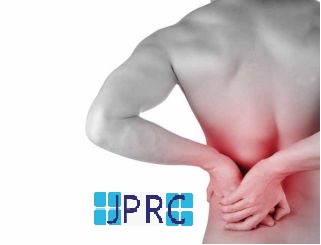
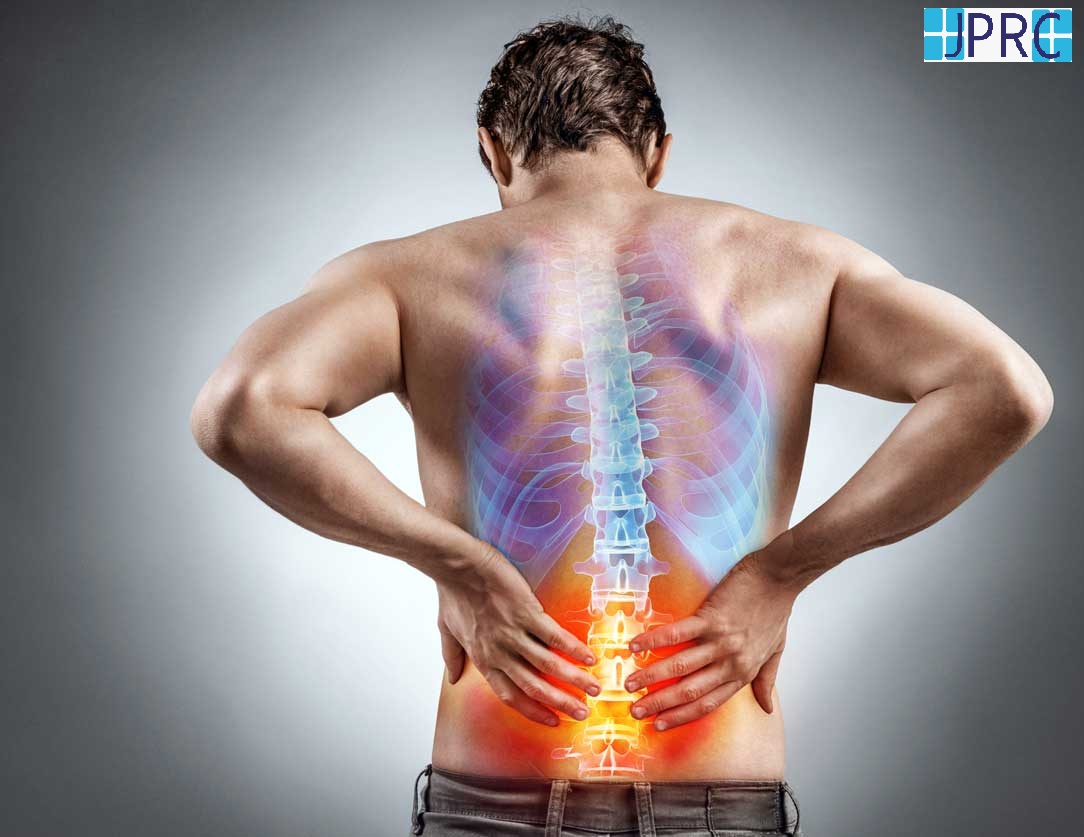
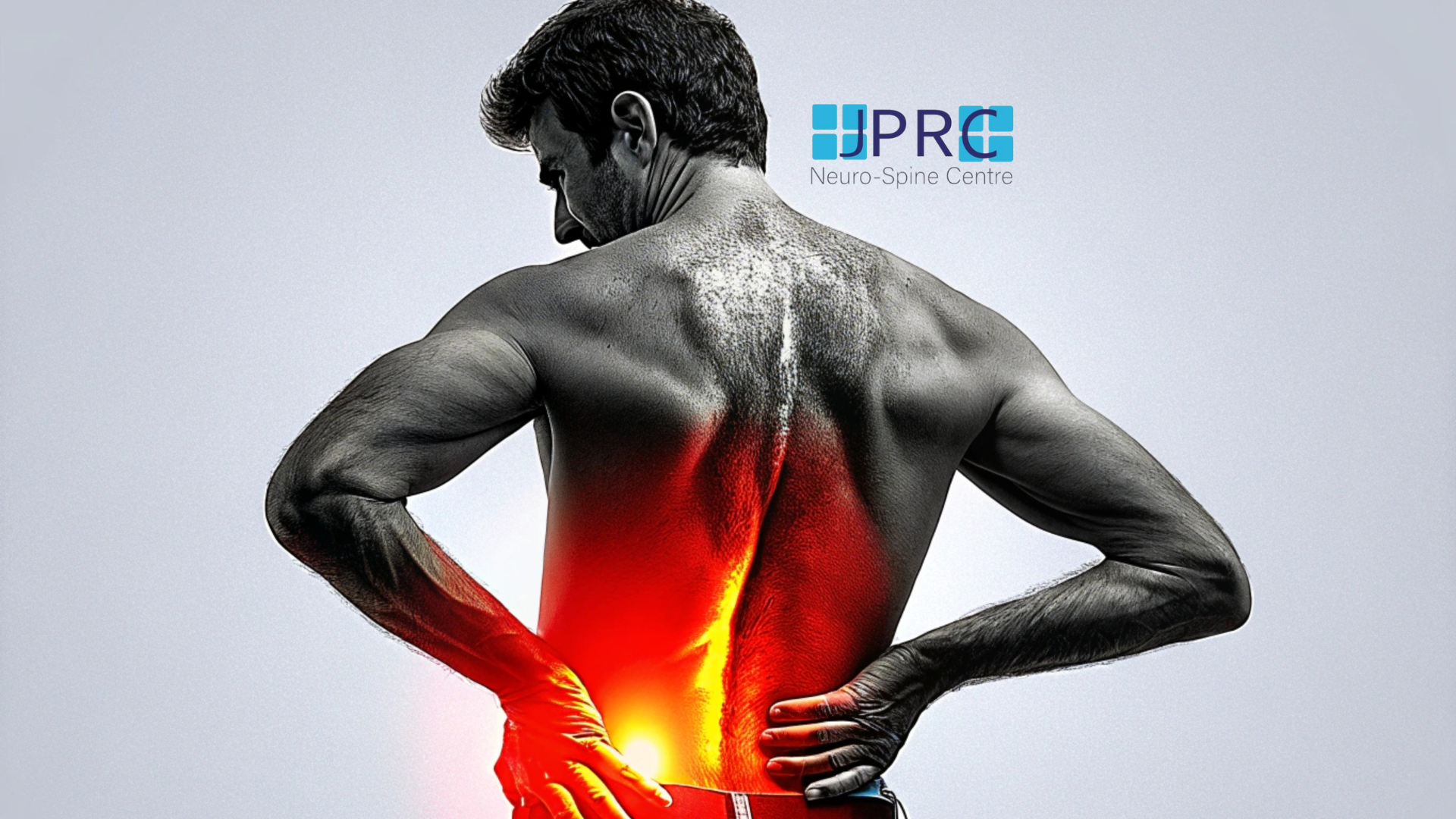
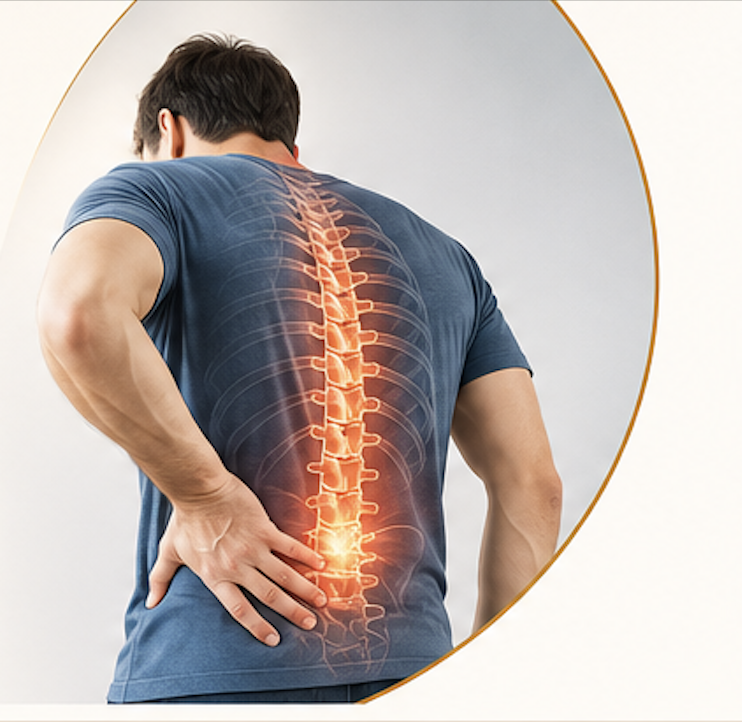
Patient holding lower back in pain
Chronic Back or Leg Pain?
Tingling, Numbness or Weakness?
Difficulty Walking or Sitting?
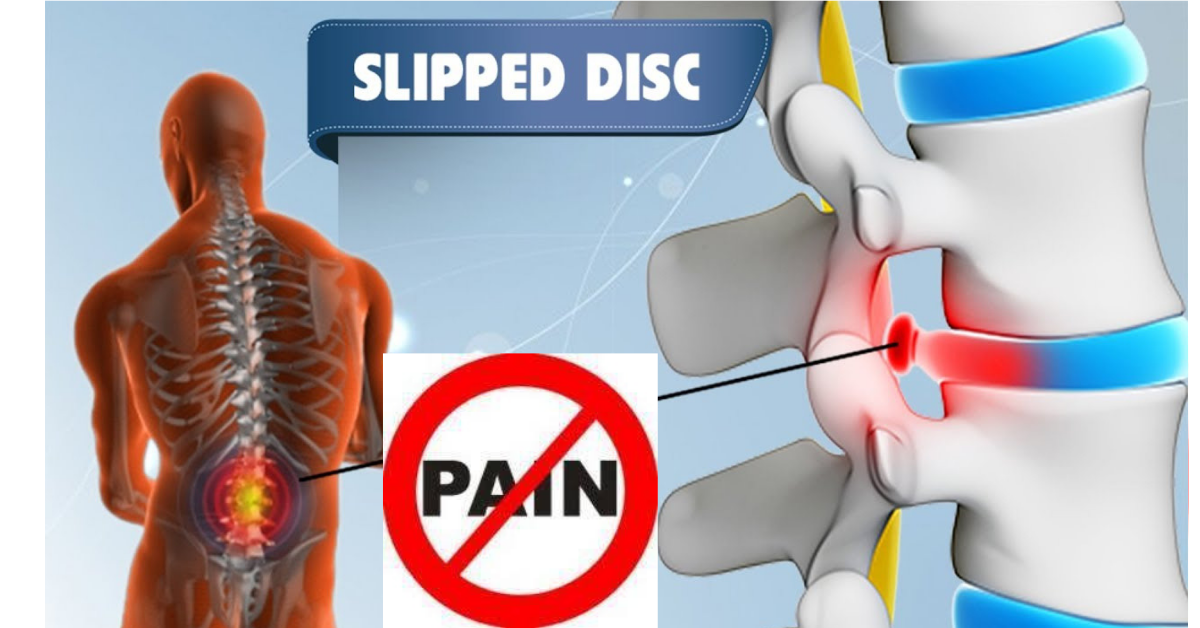
Recurring Sciatica or Slip Disc Pain?
Surgery Recommended?
Pain Relief Only Temporary?

Before Considering Surgery,

Explore Advanced Minimally Invasive Options

Most patients come to us after medicines, physiotherapy and injections have failed.

Book Consultation
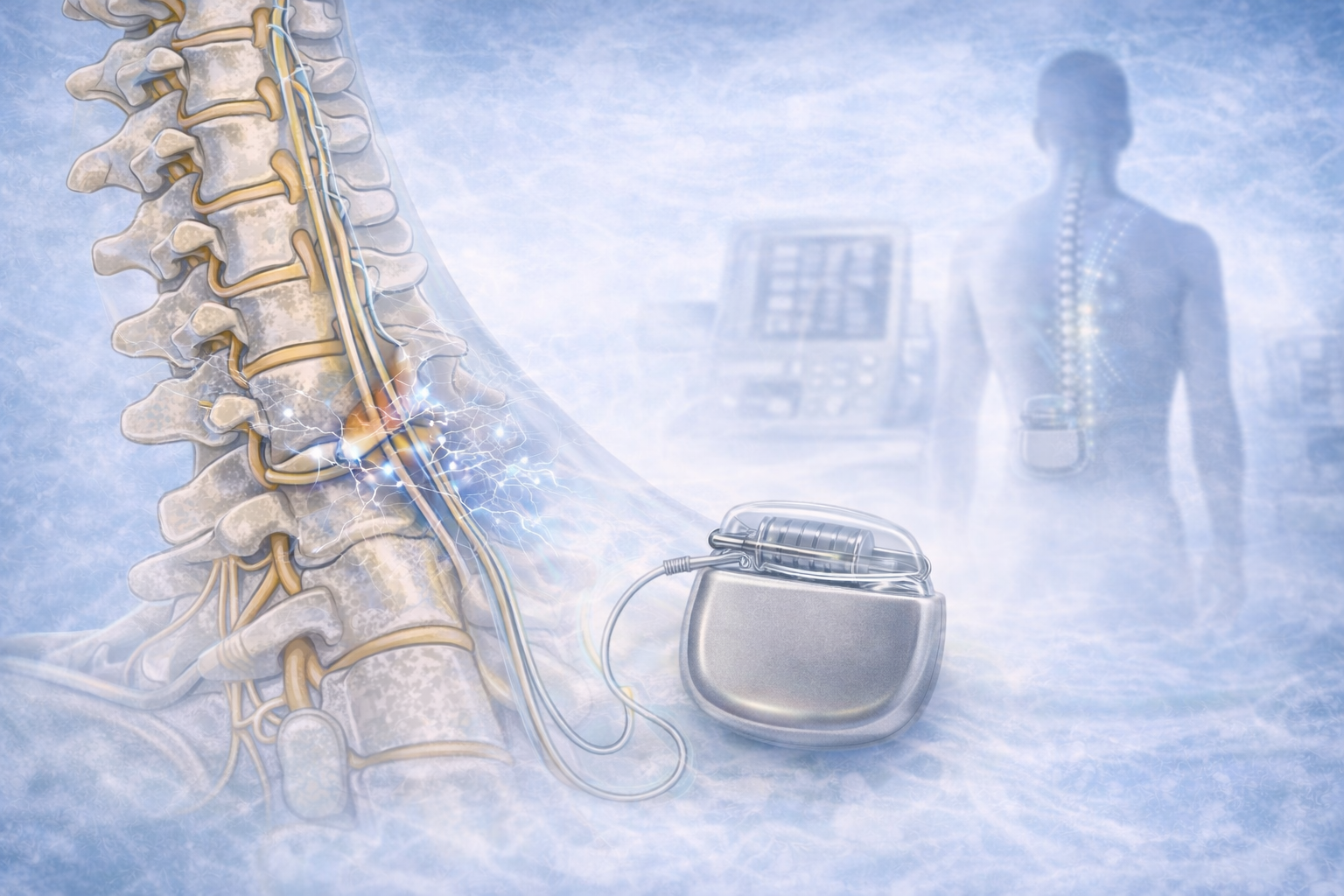
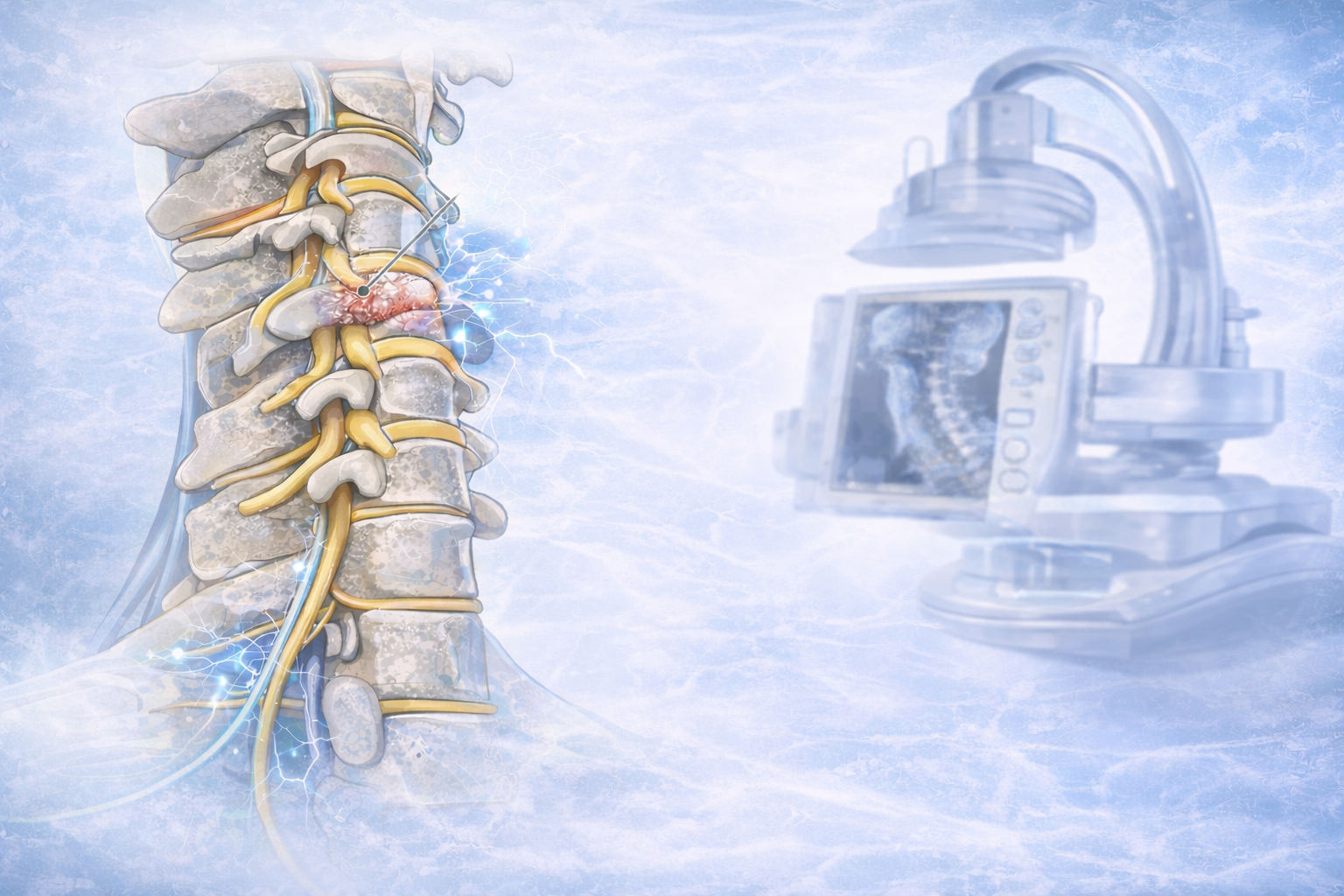
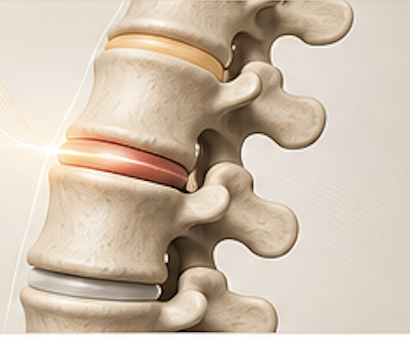
Spine treatment visual

Why Patients Choose JPRC

Why Patients Choose JPRC

30,000+ Patients Treated
35+ Years Experience
No Surgery Approach
Same-Day Procedures

Treatment Benefits

Advanced Spine Treatment Advantages

Image Guided Precision using advanced imaging technology
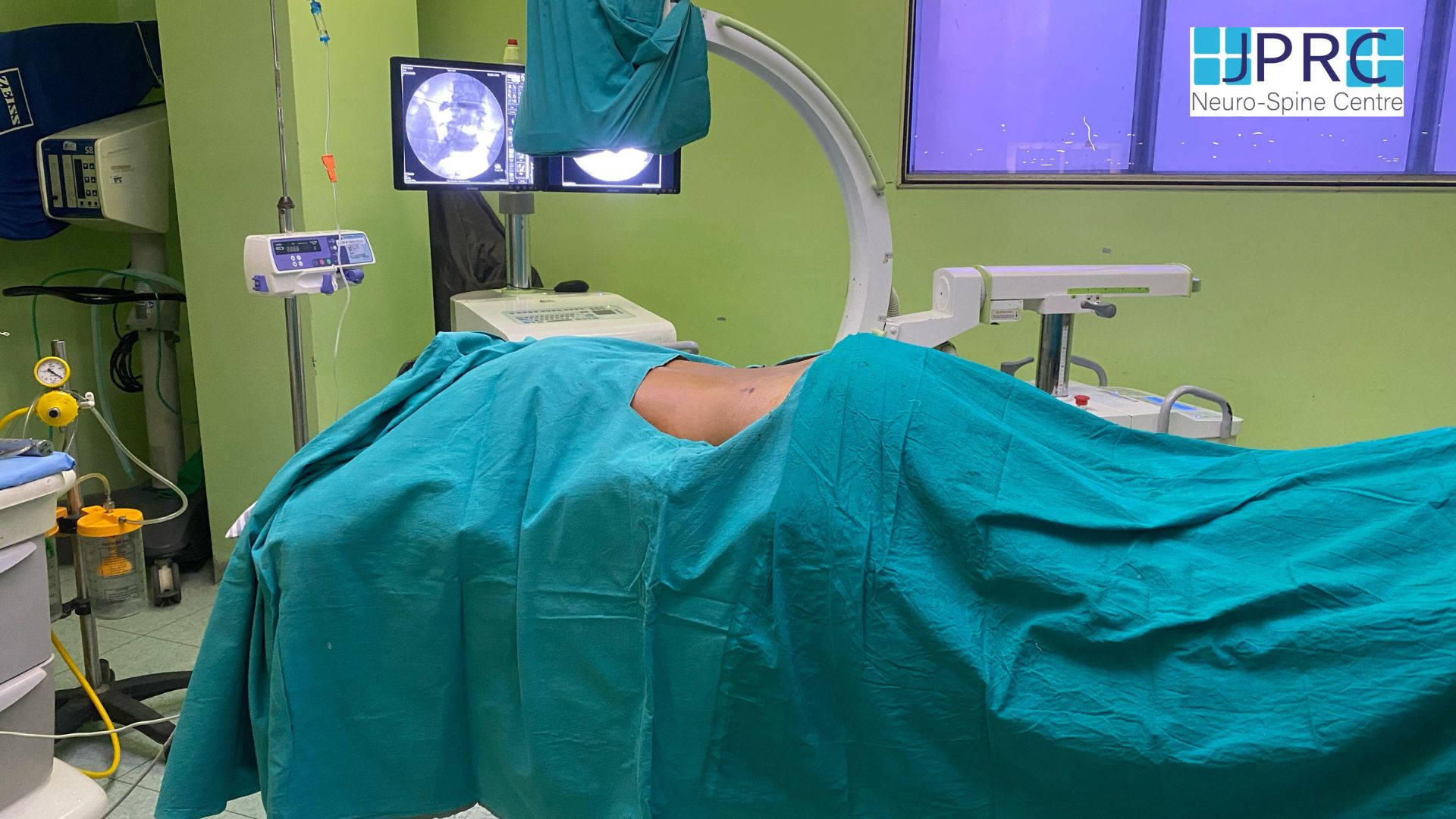
Minimally Invasive Small incision, less pain, minimal risk
Day Care Procedure Go home the same day in most cases
Rapid Pain Relief Get back to your life sooner

PATIENT SUCCESS STORIES

Patient Success Stories

Hear directly from patients who found relief through advanced minimally invasive pain treatments at JPRC.