Diagnosis of Herniated Disc with imaging importance
Physician's clinical diagnosis
A physician's clinical diagnosis focuses on determining the source of a patient's pain. Or pain generators. For this reason, the clinical diagnosis of pain from a Herniated Disc is based on more than just the findings from a diagnostic test, such as an MRI scan or CAT scan. Instead, the spine professional made a clinical diagnosis of the cause of the patient’s pain through a combination of findings from a thorough Medical history, Conducting a Complete Physical exam, and, if appropriate, conducting one or more Diagnostic tests. subject to availability.
Medical history
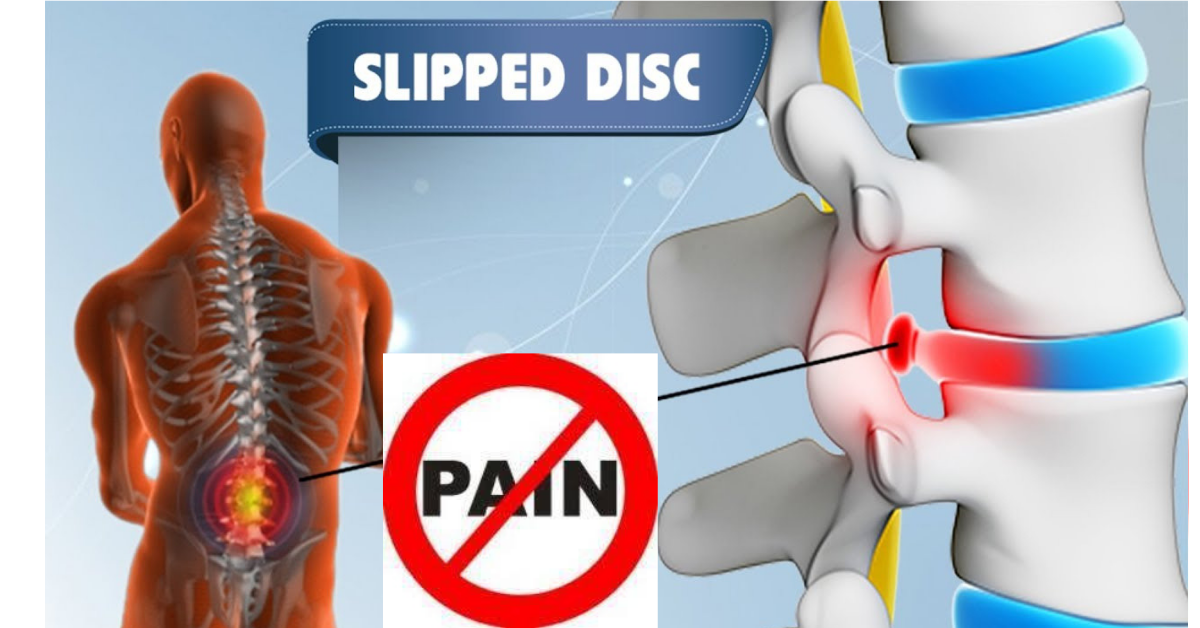
The physician will take the patient’s detailed medical history, such as a description of when the Slip disc or sciatica or other symptoms occur, a description of how the pain feels, what activities, positions or treatments make the pain feel better and worse.
Physical exam
The physicians will conduct a thorough physical exam of the patient, such as testing Nerve function and Muscle strength in certain parts of the leg or arm, testing for pain in certain positions and more. Usually, this series of physical tests will give the spine doctors a good idea of the type of back problem that patient has.
Diagnostic tests
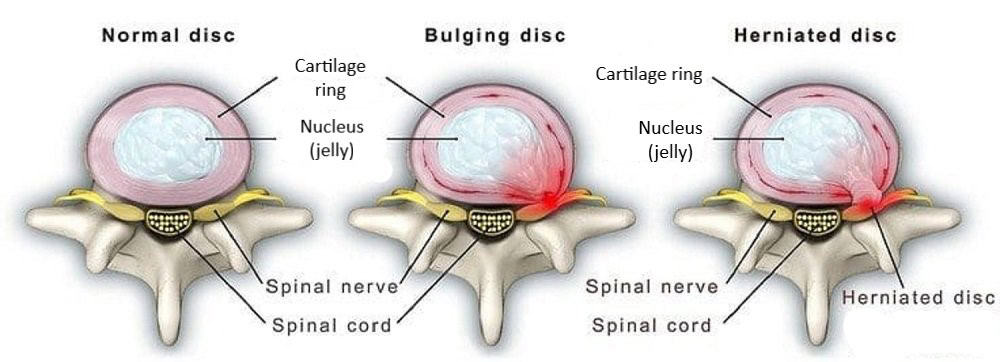
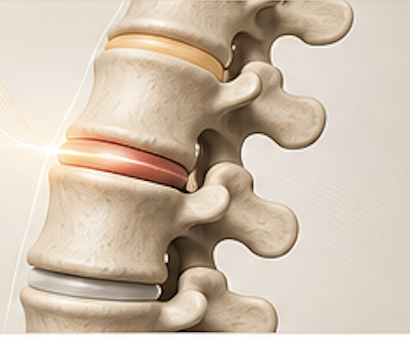
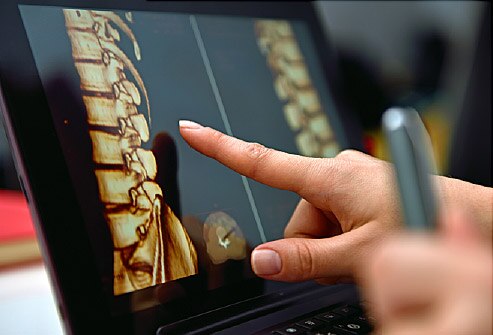
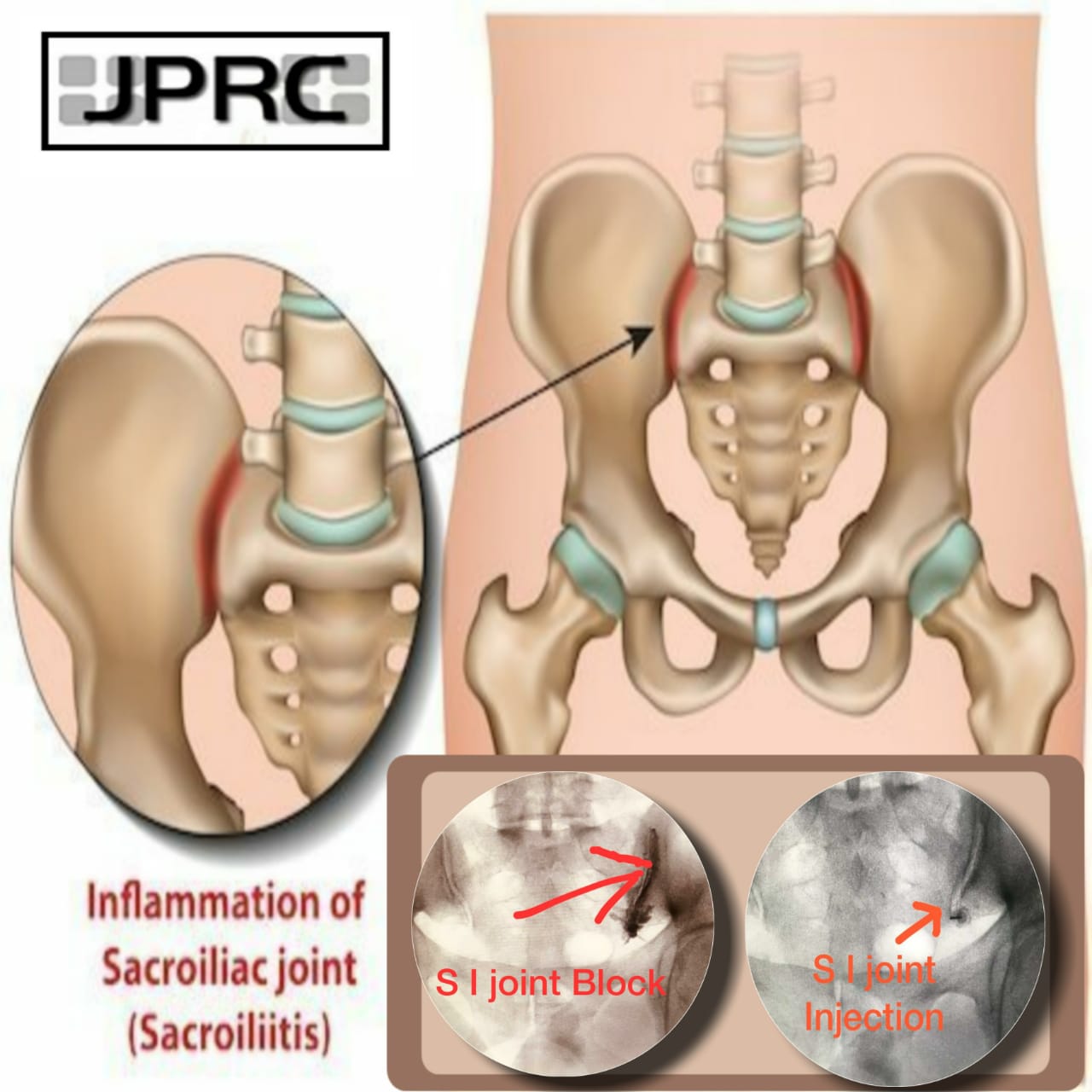
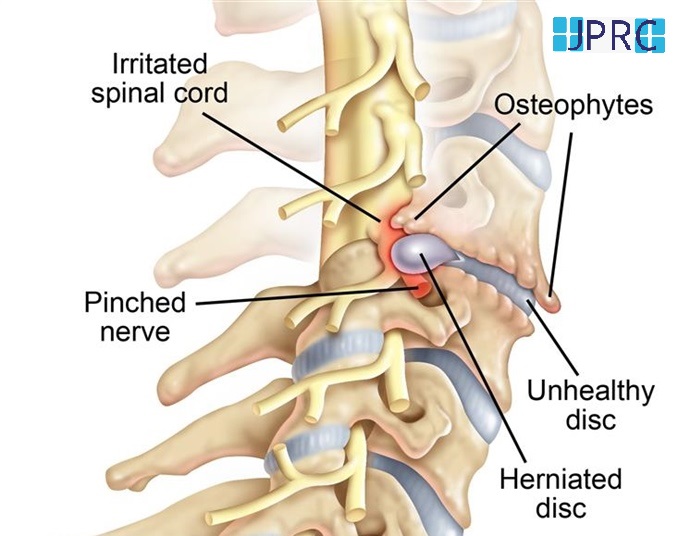
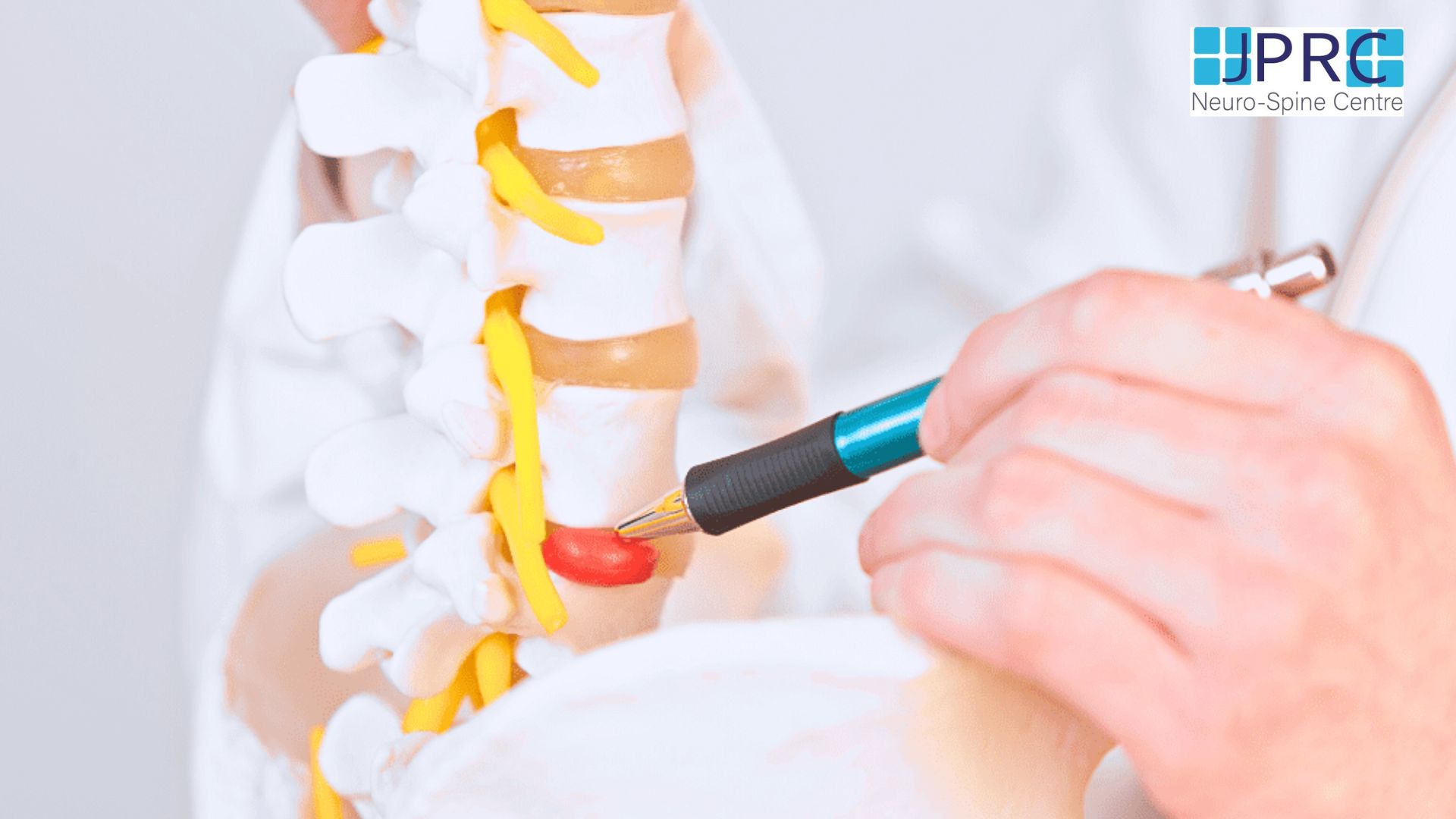
After the physician has a good idea of the source of the patient’s pain, a diagnostic test, such as a CAT scan or an MRI scan, is often ordered to confirm the REALISTIC presence of an anatomical lesion in the spine. The tests can give a detailed picture of the location of the Herniated disc, extruded, or sequestrated disc and impinged nerve roots foramina stenosis, canal stenosis, degenerative spine.
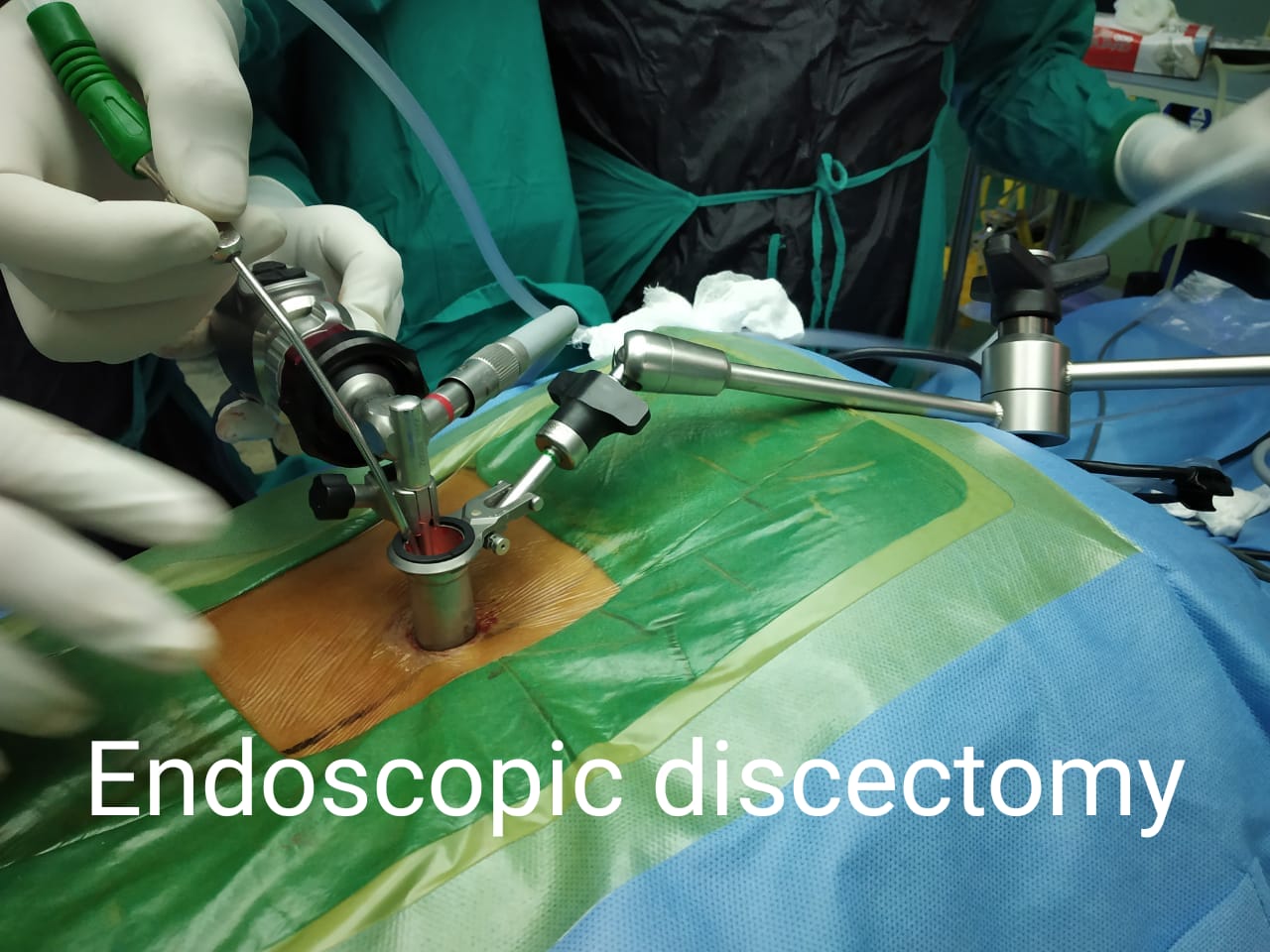
It is important to emphasize that MRI scans and other diagnostic tests are not only used to diagnose the patient's pain; rather, they are only used to confirm the presence of an anatomical and pathological problem that was identified or suspected through the medical history and physical exam. for this reason, while the radiographic findings on an MRI scan or other tests are highly important, often, an MRI scan or other type of test will be used mainly for surgical or interventional procedure planning, for example, so the surgeon or interventional pain physician can see exactly where the herniated disc is and how it is impinging on the nerve root exiting or traversing roots or spinal cord theca.



































.jpg)







_Injection_Description_in_Hindi.jpg)











.jpg)





.jpg)


.jpg)
.jpg)
.jpg)





.jpg)
.jpg)
.jpg)
.jpg)
.jpg)
.jpg)
.jpg)
.jpg)
.jpg)
.jpg)
.jpg)
.jpg)
.jpg)
.jpg)
.jpg)
.jpg)
.jpg)
.jpg)
.jpg)
.jpg)
.jpg)
.jpg)




1.jpg)
1.jpg)
1.jpg)
1.jpg)
1.jpg)
1.jpg)
1.jpg)






2.jpg)
3.jpg)


4.jpg)
1.jpg)
2.jpg)
5.jpg)
6.jpg)


7.jpg)
2.jpg)

8.jpg)

9.jpg)
3.jpg)

10.jpg)

11.jpg)


12.jpg)
4.jpg)